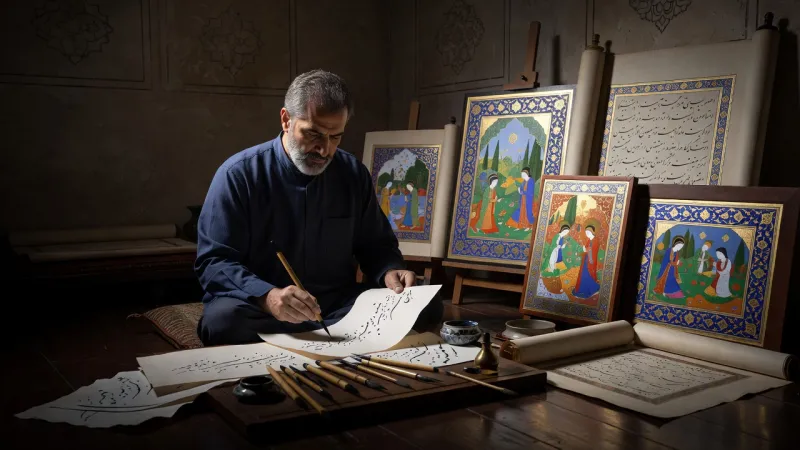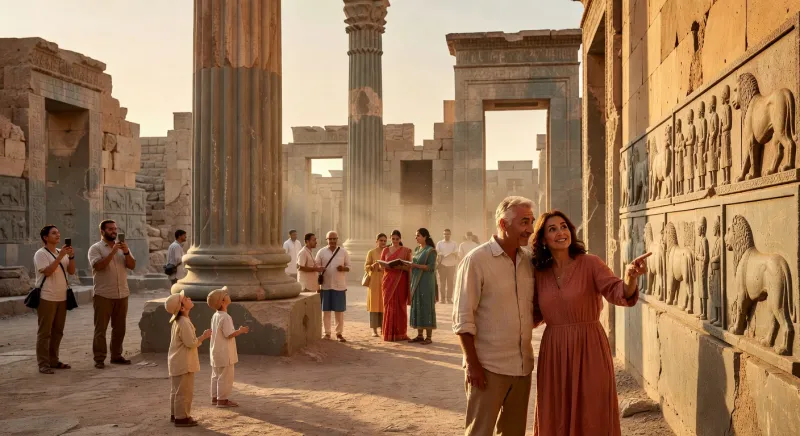
For Persian culture enthusiasts, history buffs, and music lovers, the spiritual heritage of ancient Persia offers a profound glimpse into a civilization that shaped cultural and philosophical thought. Ancient Persian religious practices, rooted in a deep connection to nature and cosmic order, form a cornerstone of Persian history. These practices not only influenced societal norms but also inspired art, poetry, and even musical traditions that resonate with admirers today. This article, filed under 'Religious Practices Before Modern Times,' delves into the rituals, beliefs, and cultural significance of these ancient traditions, highlighting why they remain relevant to those passionate about Persia's past.
- Discover the core tenets of Zoroastrianism, a foundational ancient Persian faith.
- Learn how fire and water symbolized purity in sacred rituals.
- Understand the role of priests in shaping spiritual and social life.
- Explore how these practices influenced Persian art and music.
- Uncover connections between ancient beliefs and modern cultural expressions.
- Reflect on the enduring legacy of these traditions in Persian heritage.
- Engage with history through artifacts and texts at trusted sources.
Overview of Ancient Persian Religious Practices
Ancient Persian religious practices emerged in a time when spirituality intertwined with daily life. These traditions, spanning millennia, reflect a worldview that revered natural elements and cosmic balance. For history buffs, this era offers a window into how faith shaped empires like the Achaemenid and Sassanid dynasties. Their beliefs laid the groundwork for cultural expressions still studied today.
Zoroastrianism, one of the earliest known monotheistic religions, dominated ancient Persia. Founded by the prophet Zoroaster, it emphasized the duality of good and evil. Cultural historians note that this faith influenced moral codes and governance. Its impact echoes in Persian literature and music, captivating enthusiasts.
Beyond Zoroastrianism, other practices like Mithraism also held sway. This mystery cult, centered on the god Mithra, spread across Persian territories. History buffs will find its secretive rituals fascinating. Its influence even reached Roman culture, showing Persia's far-reaching spiritual legacy.
For music lovers, the connection between religion and ancient Persian melodies is striking. Rituals often featured chants and hymns, believed to connect mortals with the divine. Scholars suggest that these sounds influenced traditional Persian music. Exploring traditional music and arts reveals these sacred origins.
Zoroastrianism: The Heart of Ancient Persian Faith
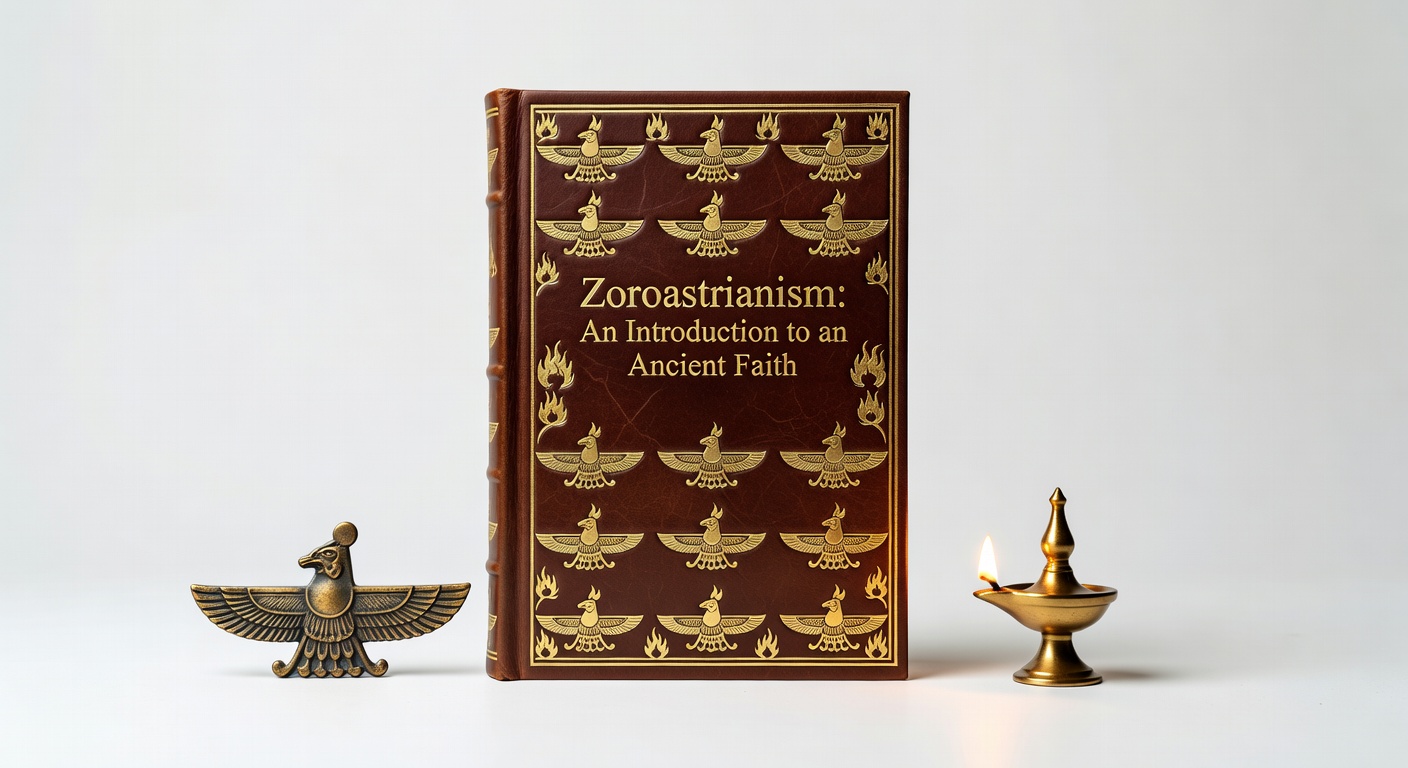
Zoroastrianism stands as the most iconic of ancient Persian religious practices. It introduced concepts like a single creator god, Ahura Mazda, and the eternal struggle against chaos. History buffs will appreciate how this faith shaped Persian identity. Its teachings guided rulers and common folk alike.
As an Amazon Associate, we earn from qualifying purchases.
Central to this religion was the reverence for fire and water. These elements symbolized purity and divine presence. Cultural historians find that fire, never extinguished in temples, represented eternal truth. This imagery still captivates those studying Persian heritage.
As an Amazon Associate, we earn from qualifying purchases.
Rituals included daily prayers and offerings at fire altars. Priests, known as Magi, played a crucial role in these ceremonies. Their chants, akin to early music, mesmerized communities. Music lovers can trace these sounds to Persia's lyrical traditions.
For enthusiasts, Zoroastrianism's influence on ethics and art is profound. Its emphasis on good thoughts, words, and deeds resonates in Persian poetry. Explore more about such cultural impacts via cultural and social aspects. The faith's legacy endures in modern Zoroastrian communities.
Ritualistic Practices and Their Cultural Significance
Ancient Persian religious practices relied heavily on rituals to maintain cosmic harmony. These ceremonies often involved communal participation, binding society together. History buffs will note how rituals reinforced Persian unity. They were more than spiritual; they were cultural events.
Fire altars served as focal points for worship. Priests conducted elaborate rites to honor Ahura Mazda. Cultural historians highlight that these gatherings inspired artistic depictions. Such imagery remains a treasure for enthusiasts today.
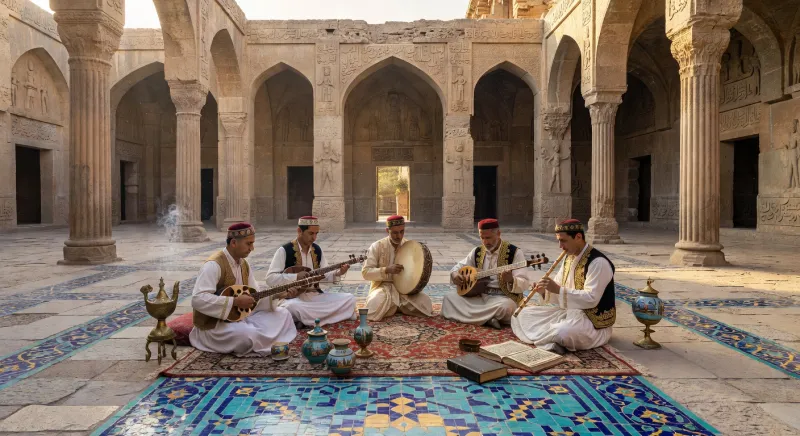
Seasonal festivals, like Nowruz, also held religious roots. These celebrations marked renewal and the triumph of light over darkness. For music lovers, the accompanying songs and dances are captivating. They echo ancient spiritual themes in Persian culture.
The significance of these rituals extended to daily life. They influenced moral teachings and social norms. Persian scholars note that even architecture reflected sacred symbolism. This interplay of faith and culture fascinates history buffs endlessly.
The Role of Priests in Ancient Persian Society
In ancient Persian religious practices, priests held immense power and responsibility. Known as Magi, they acted as intermediaries between the divine and mortal realms. History buffs will find their societal role intriguing. They shaped both spiritual and political landscapes.
The Magi conducted rituals, interpreted omens, and advised kings. Their knowledge of sacred texts was unparalleled. Cultural historians emphasize their influence on governance. Their wisdom often guided Persian rulers' decisions.
For music lovers, the Magi's chants during ceremonies are noteworthy. These vocal traditions likely influenced early Persian music. Arts experts suggest that their melodic recitations carried spiritual weight. This connection enriches the study of Persian heritage.
Enthusiasts can learn more about the Magi's philosophical impact. Their teachings contributed to broader Persian thought. Resources like Encyclopaedia Britannica offer detailed insights. The Magi's legacy remains a vital part of history.
Influence on Art, Music, and Literature
Ancient Persian religious practices deeply influenced creative expressions. Sacred themes permeated art, music, and literature across centuries. For enthusiasts, this interplay offers a rich field of study. It reveals how faith shaped cultural output.
Visual arts often depicted divine beings and cosmic battles. Reliefs and carvings adorned temples with spiritual motifs. History buffs will appreciate these artifacts' storytelling power. Museums like The Metropolitan Museum of Art showcase such works.
Music, too, bore the imprint of religious rites. Hymns and chants accompanied sacred ceremonies. Music lovers will find these melodies' origins captivating. They form the roots of traditional Persian compositions.
Literature reflected Zoroastrian ideals of morality and struggle. Epic tales wove in themes of good versus evil. Persian scholars note that these stories inspired poets. For enthusiasts, this link between faith and creativity is profound.
Legacy of Ancient Persian Religious Practices Today
The legacy of ancient Persian religious practices endures in modern culture. Zoroastrian communities still observe ancient rituals with reverence. History buffs will find their resilience inspiring. It connects past beliefs to present traditions.
Festivals like Nowruz remain widely celebrated. They embody ancient themes of renewal and light. Cultural historians note their universal appeal in Persian diaspora. Enthusiasts can witness these living traditions today.
For music lovers, sacred melodies influence contemporary Persian sounds. Traditional instruments often echo ancient chants. Arts experts recommend exploring these connections. They offer a sonic journey through history.
This enduring heritage speaks to Persia's cultural depth. It invites enthusiasts to delve deeper into history. The spiritual past continues to inspire art and thought. Its impact remains a source of fascination.
For authoritative Persian culture resources, visit Encyclopaedia Britannica and The Metropolitan Museum of Art.
Frequently Asked Questions
What were the main ancient Persian religious practices?
Ancient Persian religious practices centered primarily on Zoroastrianism, one of the world's oldest monotheistic faiths. It emphasized the worship of Ahura Mazda, the creator god, and the eternal battle between good and evil. Rituals involved fire and water as symbols of purity, often conducted by priests called Magi. Festivals like Nowruz celebrated renewal and light. These practices shaped societal norms and inspired Persian art. For history buffs, they offer insight into a profound spiritual legacy.
How did Zoroastrianism influence ancient Persian culture?
Zoroastrianism profoundly shaped ancient Persian religious practices and broader culture. Its teachings on morality—good thoughts, words, and deeds—guided personal and political life. This faith influenced art, with divine motifs in carvings, and music through sacred chants. It also impacted governance, as kings sought priestly counsel. For enthusiasts, this shows how religion wove into every cultural facet. Exploring these connections reveals Persia's historical depth.
Why was fire important in ancient Persian rituals?
Fire held immense significance in these spiritual traditions as a symbol of purity and divine light. It represented Ahura Mazda's eternal presence and was never extinguished in temples. Priests tended sacred flames during rituals, believing they connected mortals to the divine. For history buffs, this practice highlights Persia's reverence for natural elements. Music lovers may note that chants often accompanied fire ceremonies. This ritualistic focus remains a captivating aspect of the past.
What role did priests play in ancient Persian religion?
Priests, known as Magi, were central to spiritual life in ancient Persia. They conducted rituals, interpreted omens, and preserved sacred knowledge. Their influence extended to advising rulers, blending faith with politics. For enthusiasts, their role underscores the power of religion in society. Music lovers will appreciate their use of chants in ceremonies. This position shaped cultural and historical narratives significantly.
How do ancient Persian beliefs connect to modern traditions?
Ancient Persian spiritual beliefs continue to influence modern traditions, especially through festivals like Nowruz. This celebration of renewal mirrors ancient themes of light overcoming darkness. Zoroastrian communities still practice old rituals, preserving historical continuity. For history buffs, this link offers a living connection to the past. Enthusiasts can explore how these customs inspire contemporary Persian art. It's a testament to an enduring cultural heritage.
Final Thoughts
Ancient Persian religious practices offer a window into a civilization where faith and culture intertwined seamlessly. From Zoroastrianism's profound teachings to the enduring rituals of fire and water, these traditions shaped Persian history in ways that captivate enthusiasts and history buffs. Music lovers, too, find resonance in the sacred chants that echo through time into modern melodies.
The legacy of these practices, seen in festivals and art, underscores their timeless relevance. For those eager to delve deeper, resources like historical eras provide further exploration. Engaging with this heritage enriches understanding of Persia's past and present.
Take the journey into this spiritual realm. Uncover artifacts, listen to traditional sounds, and reflect on ancient wisdom. Persia's religious history awaits to inspire and inform every curious mind.