For Persian culture enthusiasts, history buffs, and music lovers, understanding the intricate tapestry of Iran's society offers a profound connection to its storied past. The cultural and social issues in Iran are deeply intertwined with the nation's rich heritage. From ancient traditions to modern challenges, these aspects shape the identity of a civilization that has influenced global culture for centuries. This article delves into the key dynamics that define Persian society today.
- Explore how historical traditions influence modern Iranian social norms.
- Understand the role of gender dynamics in shaping Persian cultural identity.
- Learn about the impact of modernization on traditional values in Iran.
- Discover how Persian music reflects societal changes and challenges.
- Recognize the importance of family structures in Iranian social life.
- Gain insights into youth culture and its evolving role in society.
- Appreciate the resilience of Persian heritage amid global influences.
Historical Foundations of Cultural and Social Issues in Iran
Persian heritage stretches back thousands of years, shaping the social fabric of Iran. The Achaemenid Empire laid early foundations for cultural norms that persist today. Respect for hierarchy and communal harmony emerged from these ancient roots. For history buffs, this connection offers a window into enduring societal values.
Under subsequent dynasties like the Safavids, Shia Islam became a unifying force. This religious identity influences social customs and community interactions. Cultural historians note that festivals like Nowruz retain ancient Zoroastrian elements. These events bind Iranians to their pre-Islamic past.
Colonial influences and global interactions also shaped social structures. While Iran was never formally colonized, foreign ideas impacted its cultural landscape. Persian scholars highlight how these exchanges created a blend of tradition and adaptation. This duality remains a core aspect of social discourse.
For enthusiasts, exploring these historical layers reveals why certain norms persist. Sites like those detailed in Historical Eras provide deeper context. Understanding this history enriches appreciation of Iran's cultural complexities. It also connects directly to modern social challenges.
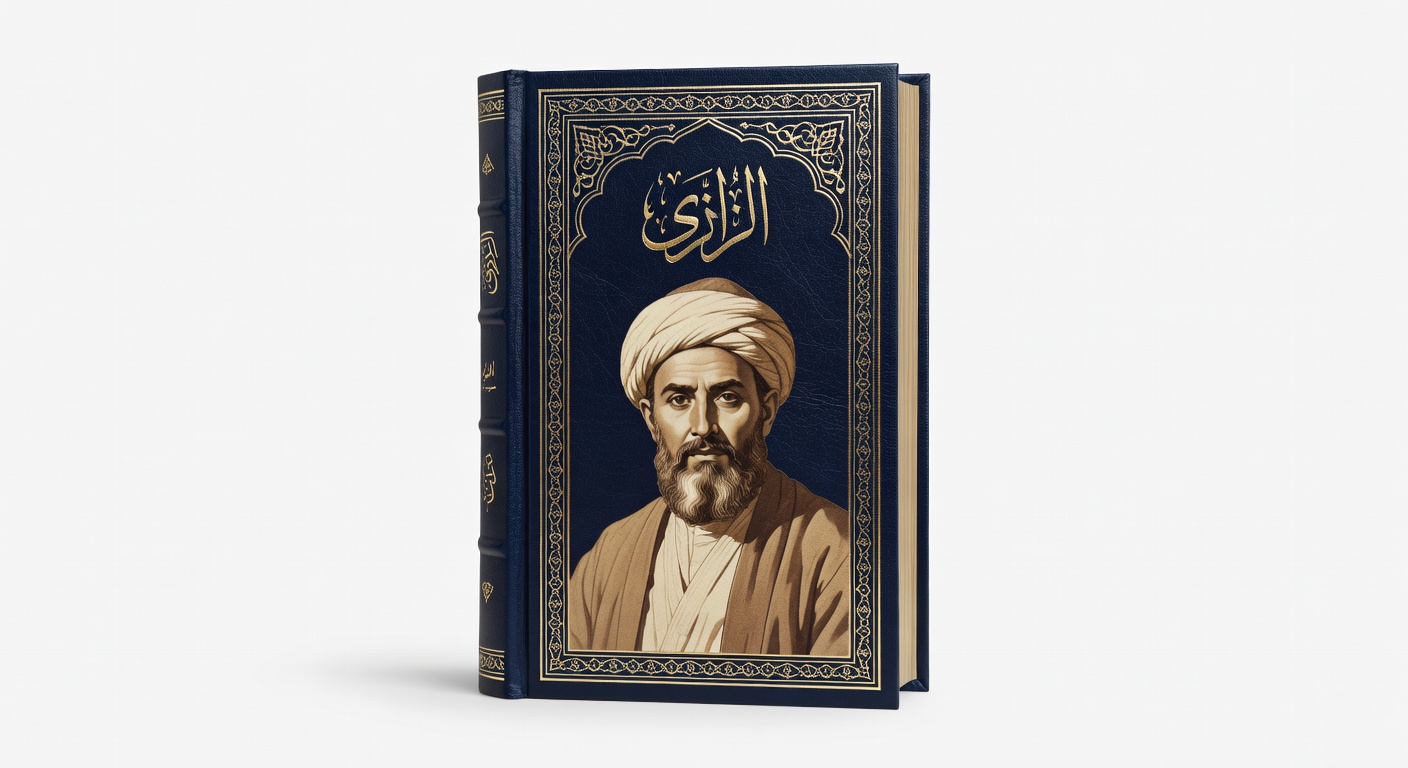
For a deeper understanding, Reading Lolita in Tehran offers essential reading for Persian culture enthusiasts.
As an Amazon Associate, we earn from qualifying purchases.
Gender Roles and Social Dynamics in Persian Society
Gender roles are a significant part of cultural and social issues in Iran. Traditionally, men and women held distinct roles within family and public spheres. These roles were often dictated by religious and cultural expectations. For history buffs, tracing these norms offers critical insights.
As an Amazon Associate, we earn from qualifying purchases.
Women in Persian history have played vital yet varied roles. From influential queens in ancient times to modern activists, their impact is undeniable. Cultural historians find that despite restrictions, women often shaped societal progress. Their contributions to poetry and arts are notable.
Modernization has brought shifts in gender expectations. Urban areas see more women in professional fields and public life. Yet, rural regions often adhere to traditional roles. This contrast creates ongoing social tension worth exploring.
For Persian culture enthusiasts, understanding gender dynamics enhances appreciation of societal nuances. It also ties into broader themes of heritage and change. Resources like those in Cultural and Social Aspects offer further reading. This topic remains central to Iran's evolving identity.
Family Structures and Their Cultural Significance
Family remains the cornerstone of social life in Iran. Extended families often live together, fostering strong intergenerational bonds. This structure reflects deep-rooted Persian values of unity and support. For enthusiasts, it's a key aspect of cultural identity.
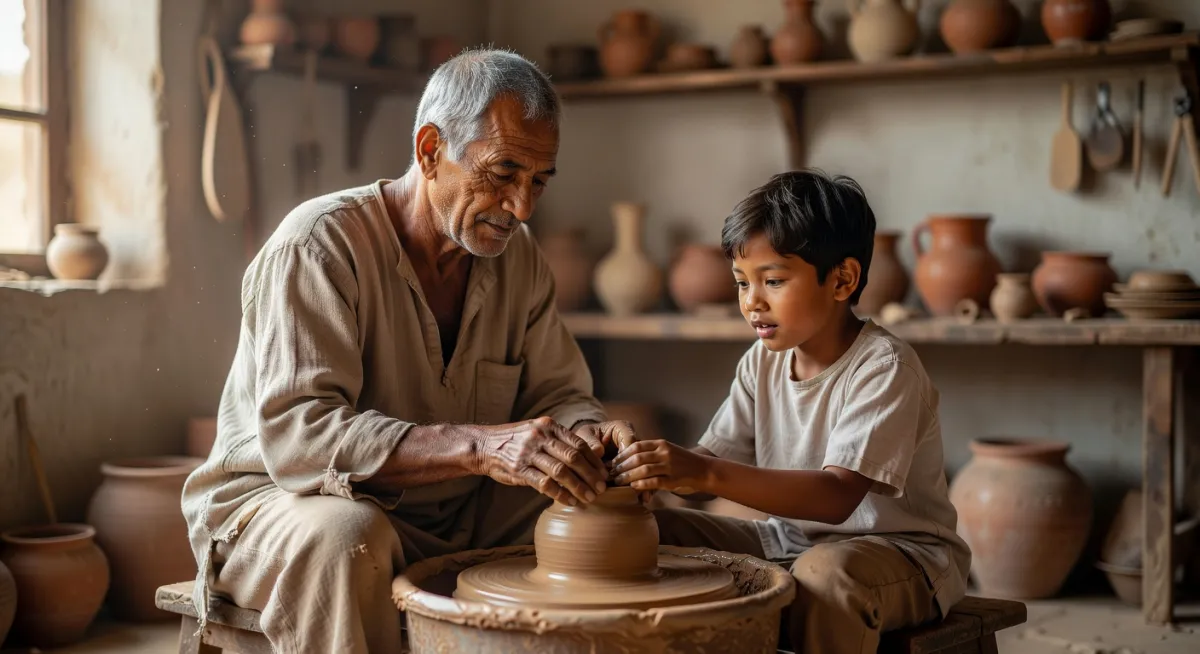
Traditional roles within families emphasize respect for elders. Children are taught to honor parental guidance from a young age. Persian scholars note that these values trace back to ancient teachings. They continue to shape social interactions today.
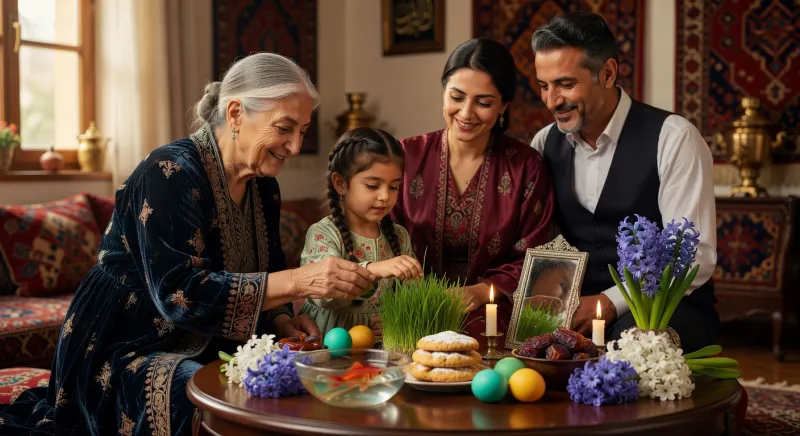
Urbanization and economic pressures challenge these traditional setups. Nuclear families are becoming more common in cities. Yet, the cultural importance of family gatherings persists. Events like weddings showcase this enduring bond.
For music lovers, family celebrations often feature traditional Persian tunes. These moments highlight how heritage lives through social customs. Understanding family dynamics offers a deeper connection to Iran's cultural essence. It also reflects broader societal shifts.
The Impact of Modernization on Cultural and Social Issues in Iran
Modernization has profoundly influenced cultural and social issues in Iran. The rapid pace of technological and economic change creates a clash with tradition. Urban centers embrace global trends, while rural areas often resist. This divide intrigues history buffs and enthusiasts alike.
The rise of social media reshapes communication and cultural expression. Young Iranians use these platforms to voice opinions and challenge norms. Cultural historians observe that this digital shift mirrors historical patterns of adaptation. It reflects Persia's long-standing ability to evolve.
However, modernization also brings tension over cultural preservation. Many fear losing traditional values to Western influences. Arts experts recommend balancing innovation with heritage. This balance is crucial for maintaining Persian identity.
For music lovers, modern genres blend with classical Persian sounds. This fusion mirrors broader societal changes. Exploring these shifts offers insights into Iran's cultural trajectory. It also connects directly to the interests of Persian heritage fans.
Youth Culture and Evolving Social Norms
Youth culture plays a pivotal role in shaping cultural and social issues in Iran. Young Iranians often bridge traditional values with modern aspirations. Their influence is visible in fashion, music, and social activism. For enthusiasts, this dynamic is fascinating to observe.
Education and global exposure drive youth to question established norms. Many advocate for greater freedoms and social reforms. Persian scholars note that this mirrors historical movements for change. The youth's voice echoes past struggles for progress.
Music and art serve as outlets for expression among the young. Persian pop and underground music reflect their hopes and frustrations. Arts experts highlight how these forms challenge societal boundaries. They also preserve cultural roots in new ways.
For music lovers, exploring youth-driven genres offers a fresh perspective. It ties directly to broader social shifts in Iran. Understanding this evolution enriches appreciation of Persian culture. It also showcases the resilience of heritage amid change.
Persian Music as a Mirror of Social Challenges
Persian music has long reflected cultural and social issues in Iran. From classical compositions to modern styles, it captures societal moods. Traditional melodies often carry themes of love, loss, and resistance. Music lovers find this deeply compelling.
Historically, music served as a tool for storytelling in Persian society. Poets and musicians conveyed messages of social critique through song. Cultural historians note that this tradition persists in contemporary works. It connects past struggles to present challenges.
Censorship and restrictions impact musicians in Iran today. Many artists navigate strict regulations to express their views. Despite this, Persian music remains a powerful voice for change. Its resilience mirrors societal perseverance.
For enthusiasts, exploring these musical narratives offers unique insights. Resources like those in Traditional Music and Arts provide deeper context. Understanding this art form enriches appreciation of social dynamics. It also ties directly to Persian cultural heritage.
Final Thoughts
The exploration of cultural and social issues in Iran reveals a society at the crossroads of tradition and modernity. From gender roles to youth culture, these dynamics shape Persian identity in profound ways. For Persian culture enthusiasts, history buffs, and music lovers, this journey offers a deeper connection to a vibrant heritage.
Understanding these societal aspects enriches appreciation of Iran's past and present. It also highlights the resilience of Persian traditions amid global influences. Dive further into related topics through resources like Historical Eras for more insights.
Engage with this rich culture by exploring its music, history, and social narratives. Share thoughts or seek out further reading on authoritative platforms like Encyclopaedia Britannica or The Metropolitan Museum of Art. Let this be a starting point for a lifelong appreciation of Persian heritage.
For authoritative Persian culture resources, visit Encyclopaedia Britannica and The Metropolitan Museum of Art.
Frequently Asked Questions
What are the main cultural and social issues in Iran today?
The primary cultural and social issues in Iran include gender roles and modernization challenges. Traditional norms often clash with contemporary aspirations, especially among youth. Urban-rural divides also create disparities in social progress. For enthusiasts, understanding these tensions offers insight into Persian identity. Exploring historical context helps clarify why these issues persist. It also connects to broader themes of heritage.
How does Persian heritage influence social norms in Iran?
Persian heritage deeply shapes social norms through historical and religious traditions. Ancient values of family and community remain central to daily life. Festivals like Nowruz reflect pre-Islamic roots, binding society together. For history buffs, tracing these influences reveals cultural continuity. Understanding cultural and social issues in Iran requires recognizing this historical impact. It offers a lens into societal structures.
Why is family so important in Iranian culture?
Family holds a central place in Iranian culture due to historical emphasis on unity. Extended families often support each other emotionally and financially. Respect for elders is a core value taught from childhood. This structure reflects ancient Persian teachings on community. For enthusiasts, exploring these ties enriches cultural understanding. It also highlights broader societal priorities.
How has modernization affected traditional values in Iran?
Modernization has introduced significant changes to traditional values in Iranian society. Urban areas adopt global trends, challenging historical norms. Technology and social media amplify youth voices seeking reform. Yet, many strive to preserve cultural roots amid these shifts. For history buffs, this tension mirrors past adaptations. It underscores the dynamic nature of heritage.
What role does Persian music play in addressing social issues?
Persian music serves as a powerful medium for reflecting societal challenges. Artists often weave themes of resistance and hope into their works. Despite censorship, music remains a voice for change. It connects historical struggles to modern realities for listeners. Music lovers find this art form a unique cultural lens. Exploring these melodies reveals deeper social narratives.