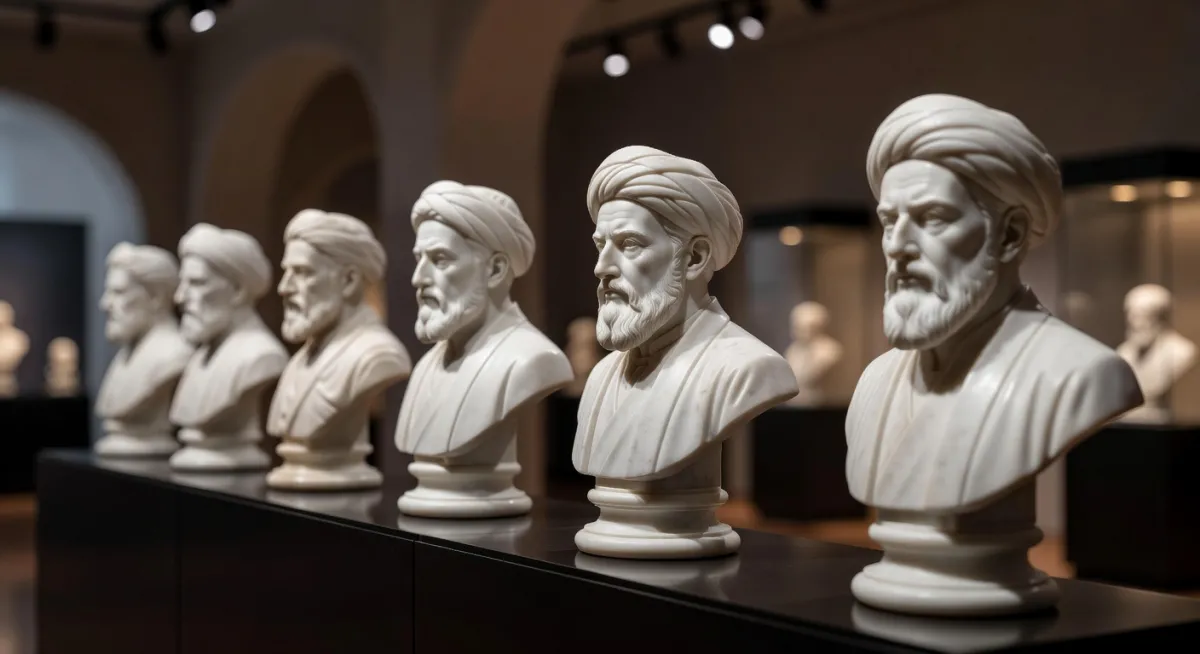
The vast and intricate tapestry of Persian culture is woven with threads of profound thought and intellectual heritage. Persian philosophy, deeply rooted in the historical and cultural landscape of ancient Persia, has long been a beacon of wisdom and introspection. This philosophical tradition, emerging from a civilization renowned for its contributions to art, science, and literature, offers a unique perspective on the human condition, ethics, and the nature of existence. The thinkers of this tradition have not only shaped the intellectual history of their homeland but have also influenced global philosophical discourse through their innovative ideas and timeless teachings.
From the earliest days of Zoroastrian thought to the intricate metaphysical systems of later Islamic scholars, Persian philosophy reflects a blend of indigenous beliefs and interactions with neighboring cultures. This dynamic exchange of ideas has resulted in a rich heritage that continues to inspire scholars and enthusiasts alike. Exploring Persian philosophy provides a window into the soul of a civilization that valued knowledge, reason, and spiritual depth, offering insights that remain relevant in contemporary discussions. Through this exploration, one can uncover the enduring legacy of Persian thinkers whose works resonate across time and borders.
For those eager to delve into the heart of Persian intellectual traditions, understanding the key elements of this philosophy is essential. This journey reveals how Persian thinkers addressed universal questions through unique cultural lenses, contributing to a broader understanding of humanity's quest for meaning. Below are some foundational aspects that define Persian philosophical thought:
- Emphasis on duality and balance, as seen in early Zoroastrian concepts of good and evil, light and darkness, influencing ethical frameworks.
- Integration of mysticism and rational inquiry, blending spiritual insights with logical analysis in the works of later thinkers.
- Focus on the interconnectedness of knowledge, where philosophy often intersects with poetry, science, and art, creating a holistic worldview.
- Influence of intercultural exchanges, absorbing and adapting Greek, Indian, and Islamic ideas into a distinct Persian intellectual identity.
- Centrality of ethical living, with many thinkers advocating for justice, wisdom, and compassion as pillars of a virtuous life.
- Exploration of metaphysics and the nature of being, delving into questions of existence, the soul, and the divine.
- Preservation of philosophical texts through meticulous scholarship, ensuring the transmission of ideas across generations.
The Roots of Persian Philosophical Thought
Persian philosophy finds its origins in the ancient religious and cultural systems of the region, particularly in Zoroastrianism, one of the earliest recorded monotheistic traditions. This spiritual framework introduced concepts of cosmic dualism, where the forces of good and evil are in constant struggle, shaping early ethical and moral discussions. Zoroastrian teachings emphasized individual responsibility and the pursuit of truth, laying a foundation for later philosophical inquiries. These ideas not only influenced Persian thinkers but also left an imprint on neighboring civilizations, showcasing the interconnectedness of ancient intellectual traditions.
As Persian society evolved, so did its philosophical landscape. The interaction with other cultures during periods of expansion and conquest brought new ideas into the fold. Greek philosophy, with its focus on logic and reason, merged with Persian thought, creating a fertile ground for intellectual growth. This synthesis is evident in the way Persian scholars approached questions of existence and morality, often blending rational analysis with spiritual insights. For a deeper look into the historical context of these developments, explore the Historical Eras section of the website.
Key Persian Thinkers and Their Contributions
Among the luminaries of Persian philosophy, several figures stand out for their groundbreaking contributions. One such thinker developed intricate systems of metaphysics and ethics, emphasizing the unity of existence and the role of divine wisdom in human understanding. His works bridged the gap between religious doctrine and philosophical inquiry, offering a perspective that harmonized faith with reason. Such contributions highlight the depth of Persian thought, where the pursuit of knowledge was seen as a sacred endeavor.
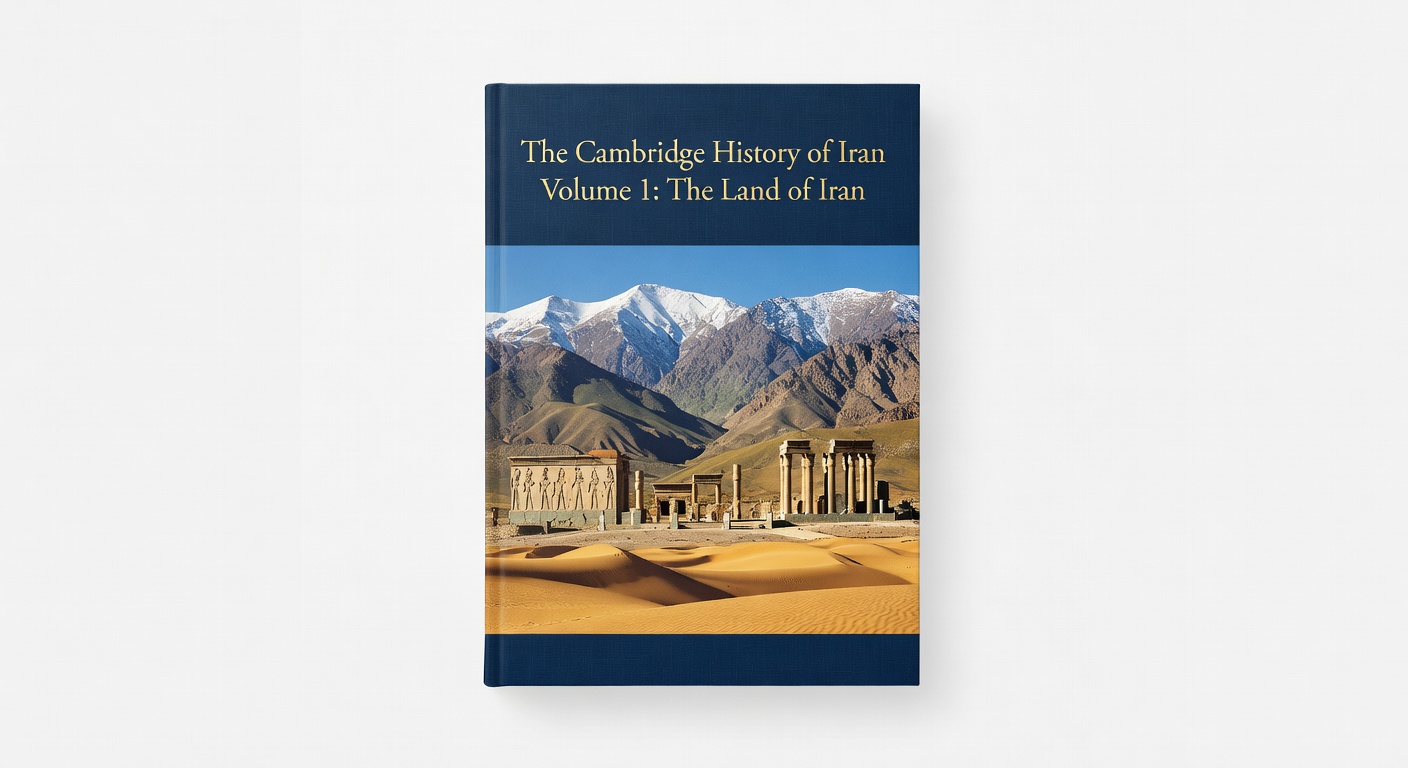
As an Amazon Associate, we earn from qualifying purchases.
Another significant philosopher explored the nature of the soul and its relationship with the divine, crafting a philosophical framework that influenced both Eastern and Western traditions. His ideas on illumination and intuitive knowledge provided a unique approach to epistemology, distinguishing Persian philosophy from other schools of thought. These thinkers, among others, contributed to a legacy of intellectual rigor and spiritual depth, which can be further explored in the Philosophy and Thinkers category.
As an Amazon Associate, we earn from qualifying purchases.
The Intersection of Philosophy and Persian Arts
Persian philosophy is not confined to abstract thought; it permeates the cultural expressions of art, poetry, and music. Many philosophical ideas found their voice in the poetic verses of great literary masters, whose works often reflected on existential themes and the pursuit of truth. For instance, the poetry attributed to certain iconic figures encapsulates profound philosophical musings on love, mortality, and the divine, making philosophy accessible to a broader audience. Readers interested in these literary connections can find inspiration in works like The Poems of Rumi.
Beyond poetry, visual arts and traditional music also served as mediums for philosophical expression. Miniature paintings often depicted allegorical scenes that conveyed deeper moral or metaphysical messages, while musical compositions evoked contemplative states of mind. This interplay between philosophy and art underscores the holistic nature of Persian culture, where intellectual and creative pursuits are inseparable. To explore more on this synergy, visit the Traditional Music and Arts section.
Influence on Global Intellectual Traditions
The impact of Persian philosophy extends far beyond its geographical origins, influencing a wide array of global intellectual traditions. During periods of cultural exchange, Persian scholars played a pivotal role in preserving and transmitting Greek philosophical texts, often adding their own interpretations and insights. Their translations and commentaries became vital resources for European thinkers during later intellectual movements, demonstrating the far-reaching legacy of Persian thought.
Moreover, Persian philosophical concepts, particularly those related to mysticism and metaphysics, found resonance in Islamic philosophy, shaping the works of scholars across the Middle East and beyond. This cross-pollination of ideas enriched global discourse on topics ranging from ethics to cosmology. For additional insights into these contributions, resources like Encyclopaedia Britannica offer detailed accounts of Persian influences on world philosophy. Additionally, collections at The Metropolitan Museum of Art provide visual representations of cultural exchanges through historical artifacts.
Frequently Asked Questions
What are the origins of Persian philosophy?
Persian philosophy originated in ancient religious traditions like Zoroastrianism, which introduced concepts of dualism and ethical responsibility. Over time, it evolved through interactions with Greek, Indian, and Islamic thought, creating a unique intellectual tradition.
How did Persian thinkers influence global philosophy?
Persian thinkers preserved and expanded upon Greek philosophical texts, influencing Islamic and European intellectual traditions. Their works on metaphysics, ethics, and mysticism contributed significantly to global philosophical discourse.
What role does poetry play in Persian philosophy?
Poetry serves as a vital medium for expressing philosophical ideas in Persian culture, often addressing themes of existence, love, and the divine. Many poets wove complex philosophical concepts into accessible and emotive verses.
How is Persian philosophy connected to other cultural aspects?
Persian philosophy is deeply intertwined with art, music, and literature, reflecting a holistic cultural approach. Philosophical ideas often manifest in visual arts and musical compositions, emphasizing the interconnectedness of intellectual and creative expression.
Where can one learn more about Persian philosophical traditions?
Exploring resources on Persian culture, such as the Poetry and Literature and Cultural and Social Aspects sections, provides valuable insights into philosophical traditions and their broader context.
Final Thoughts
Persian philosophy stands as a testament to the enduring quest for knowledge and understanding within one of the world's most influential civilizations. The thinkers and traditions explored in this journey reveal a profound depth of thought that continues to inspire and challenge modern perspectives. From ethical frameworks rooted in ancient beliefs to metaphysical inquiries that shaped global discourse, the heritage of Persian philosophy offers a treasure trove of wisdom for all who seek to understand the complexities of existence. For those intrigued by the intersections of philosophy with other fields, further exploration into Science and Inventions can provide additional context on how intellectual pursuits shaped Persian culture. Dive deeper into this fascinating world by browsing related categories on the website and uncovering the timeless insights of Persian heritage.