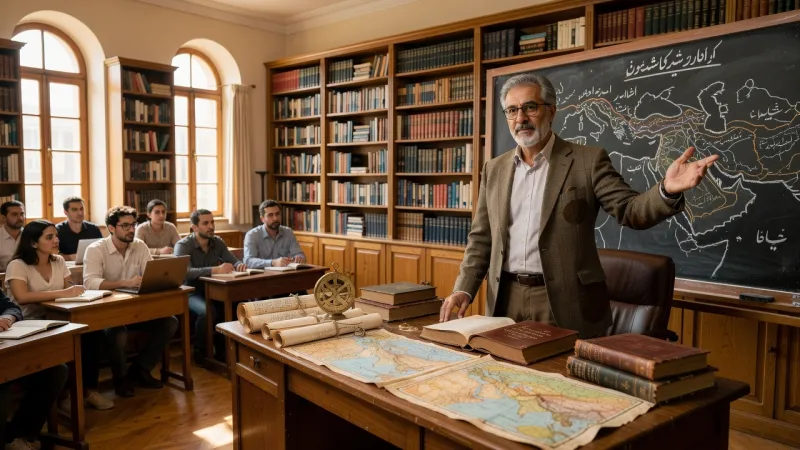
Persian poetry and literature stand as pillars of cultural heritage, weaving intricate tales of love, philosophy, and human experience through the ages. This art form, deeply rooted in the history of the Persian-speaking world, has transcended borders and time, influencing countless traditions and literary movements across the globe. From the lyrical verses of ancient poets to the epic narratives that define entire eras, the richness of Persian literary traditions offers a window into the soul of a civilization renowned for its intellectual and artistic contributions.
The beauty of Persian poetry lies not only in its language but also in its ability to capture universal emotions and ideas. Whether exploring themes of divine love, earthly passion, or the mysteries of existence, these works resonate with readers and listeners alike. The heritage of Persian literature is a testament to the creativity and resilience of a culture that has preserved its voice through centuries of change, making it an essential subject for anyone seeking to understand the depth of human expression.
For those unfamiliar with this literary tradition, delving into Persian poetry and literature reveals a world of metaphor, symbolism, and rhythm. It is an invitation to explore a heritage that continues to inspire scholars, artists, and enthusiasts. This exploration will uncover the origins, key figures, themes, and enduring impact of Persian literary traditions, shedding light on why they remain a celebrated part of global cultural history.
- Persian poetry often employs intricate metaphors and allegories, reflecting both spiritual and worldly concerns in a single verse.
- The tradition encompasses various forms, including ghazals, qasidas, and masnavis, each with its own stylistic rules and purposes.
- Many classic works of Persian literature are intertwined with philosophy, offering profound insights into ethics and existence.
- The oral tradition played a significant role in preserving these works, ensuring their survival through storytelling and recitation.
- Persian literary heritage has influenced neighboring cultures, contributing to the development of poetry in regions far beyond its origins.
- Manuscripts adorned with calligraphy and miniature paintings often accompany these texts, blending visual art with written word.
The Origins of Persian Poetry and Literature
The roots of Persian poetry and literature trace back to ancient times when oral storytelling was a primary means of preserving history and culture. Early forms of verse emerged as a way to document heroic deeds, spiritual beliefs, and societal values. Over time, these oral traditions evolved into written works, becoming a cornerstone of Persian identity. The development of the Persian language itself, with its melodic and expressive qualities, provided the perfect medium for poetic creation, allowing for a depth of emotion and imagery that remains unmatched.
As empires rose and fell, Persian literature adapted, incorporating influences from various cultural exchanges. The integration of poetic forms with philosophical and mystical ideas became a hallmark of this tradition, distinguishing it from other literary heritages. For those interested in the broader historical context, further reading on historical eras offers valuable insights into the societal shifts that shaped these works.
Iconic Poets and Their Contributions
Among the luminaries of Persian poetry, certain names stand out for their transformative impact on literature. One such figure is Rumi, whose verses on love and spirituality have captivated readers worldwide. His works, available in collections like The Poems of Rumi, continue to inspire with their timeless wisdom. Rumi's poetry often explores the connection between the human and the divine, using simple yet profound imagery to convey complex ideas.
As an Amazon Associate, we earn from qualifying purchases.
Other notable poets, such as Hafez, are celebrated for their mastery of the ghazal, a short lyrical form that encapsulates themes of romance and longing. Hafez's verses are often interpreted on multiple levels, blending earthly desires with spiritual yearning. Similarly, Ferdowsi's epic masterpiece, the Shahnameh, chronicles the mythical and historical past of Persia, preserving a narrative that remains a source of national pride. These poets, among others, have left an indelible mark on the literary landscape, their works studied and cherished by generations.
As an Amazon Associate, we earn from qualifying purchases.
Themes and Styles in Persian Literature
Persian poetry and literature are characterized by a rich tapestry of themes that reflect the complexities of human life. Love, both romantic and divine, is a recurring motif, often expressed through symbolic language that invites readers to look beyond the surface. Nature, too, plays a significant role, with imagery of gardens, roses, and nightingales serving as metaphors for beauty, longing, and the transient nature of existence.
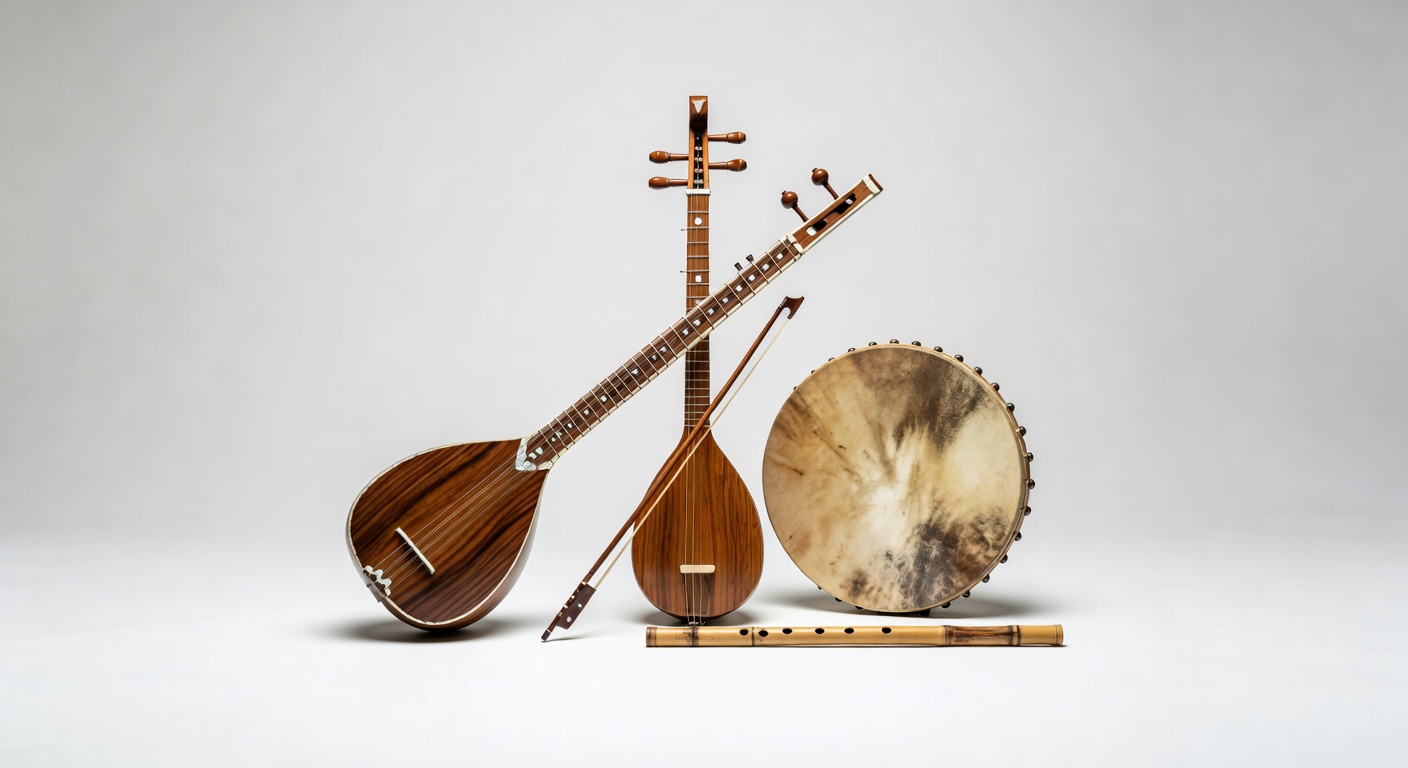
Stylistically, Persian poetry is known for its adherence to strict metrical patterns and rhyme schemes, which lend a musical quality to the verses. The use of allegory and metaphor allows poets to address sensitive topics indirectly, offering commentary on politics, religion, and society. This nuanced approach has ensured the survival of these works through periods of censorship and upheaval, as their deeper meanings remain accessible to those who seek them. For a broader perspective on artistic expressions, explore related content on traditional music and arts.
The Cultural Significance of Persian Literary Heritage
The cultural significance of Persian literary heritage cannot be overstated. It has served as a unifying force, connecting diverse communities through shared stories and values. In many regions, poetry recitations remain a cherished tradition, bringing people together during celebrations and gatherings. This oral transmission has helped preserve the language and its nuances, ensuring that the spirit of Persian literature endures.
Beyond its local impact, Persian literature has influenced global literary traditions, inspiring poets and writers in distant lands. Its themes of universal human experience resonate across cultures, making it a vital part of world heritage. Institutions like The Metropolitan Museum of Art often showcase artifacts and manuscripts that highlight the visual and textual beauty of this tradition, underscoring its importance in the broader context of art history.
Preservation and Modern Relevance
The preservation of Persian poetry and literature is an ongoing endeavor, with scholars and enthusiasts working to translate and digitize ancient texts. These efforts ensure that future generations can access and appreciate the richness of this heritage. Libraries and archives around the world house manuscripts that are meticulously studied, revealing new layers of meaning with each analysis. Resources such as Encyclopaedia Britannica provide detailed accounts of these preservation initiatives, offering a deeper understanding of their scope.
In modern times, Persian literature continues to inspire contemporary writers and artists, who draw on its themes and forms to address current issues. The adaptability of this tradition speaks to its enduring relevance, as it finds new expressions in novels, films, and digital media. For those curious about philosophical underpinnings, additional exploration on philosophy and thinkers can provide context on how these ideas continue to shape thought and creativity.
Frequently Asked Questions
What defines Persian poetry?
Persian poetry is defined by its use of rich imagery, metaphor, and structured forms like ghazals and masnavis. It often explores themes of love, spirituality, and nature, blending emotional depth with philosophical insights.
Who are the most famous Persian poets?
Some of the most renowned Persian poets include Rumi, known for mystical verses, Hafez, celebrated for lyrical ghazals, and Ferdowsi, the author of the epic Shahnameh, which chronicles Persian history and mythology.
How has Persian literature influenced other cultures?
Persian literature has influenced neighboring regions and beyond through translations and cultural exchanges, impacting poetry and storytelling traditions in areas such as South Asia, the Middle East, and even parts of Europe.
What role does calligraphy play in Persian literary traditions?
Calligraphy is integral to Persian literary traditions, often adorning manuscripts with intricate designs. It elevates the written word into a visual art form, complementing the poetic content with aesthetic beauty.
Where can one learn more about Persian poetry and literature?
One can explore Persian poetry and literature through translated works, academic resources, and cultural websites like poetry and literature. Museums and libraries also offer access to original manuscripts and exhibitions.
Final Thoughts
Exploring Persian poetry and literature reveals a heritage that is as vibrant today as it was in its earliest days. This tradition, with its profound themes and exquisite forms, offers endless inspiration for those who seek to understand the depths of human emotion and thought. From the mystical verses of Rumi to the epic tales of Ferdowsi, Persian literary works invite readers to journey through a world of beauty and wisdom. For anyone eager to dive deeper into this cultural treasure, the resources and insights available on platforms like cultural and social aspects provide a gateway to further discovery. Take the first step into this timeless art form and uncover the stories that have shaped generations.