For Persian culture enthusiasts, history buffs, and music lovers, the realm of traditional music arts in Iran offers a captivating window into the soul of a civilization. Spanning centuries, these arts embody the emotions, stories, and values of the Persian people. From soulful melodies to intricate rhythms, Iranian music reflects a deep connection to history and heritage. This article delves into the essence of these traditions, highlighting their significance and evolution.
- Discover key instruments like the tar and setar central to Iranian music.
- Learn about the radif system, a foundation of Persian musical tradition.
- Explore regional styles that showcase Iran's diverse cultural landscape.
- Understand the role of music in Persian rituals and ceremonies.
- Appreciate how poetry intertwines with traditional music arts in Iran.
- Find resources to deepen your knowledge of Persian musical heritage.
- Connect with communities celebrating Iranian arts and culture worldwide.
The Roots of Traditional Music Arts in Iran
The origins of traditional music arts in Iran trace back to ancient times. Persian scholars note that music held a sacred place in pre-Islamic Persia. It was often linked to Zoroastrian rituals and royal courts. These early forms laid the groundwork for later developments.
During the Sassanian era, music flourished as a symbol of power. Court musicians, known as gosan, performed epic tales and hymns. Their art blended with poetry, creating a lasting bond. This fusion remains a hallmark of Iranian music today.
After the Islamic conquest, music adapted to new cultural norms. While some forms faced restrictions, others thrived in spiritual contexts. Sufi gatherings often featured music as a path to divine connection. This adaptability showcases the resilience of Persian traditions.
For history buffs, understanding these shifts is crucial. They reveal how music mirrored societal changes over centuries. Persian culture enthusiasts can see the continuity of artistic expression. Exploring resources in Persian historical eras offers deeper insights into this evolution.
For a deeper understanding, The Music of Iran offers essential reading for Persian culture enthusiasts.
As an Amazon Associate, we earn from qualifying purchases.
Key Instruments in Iranian Musical Heritage
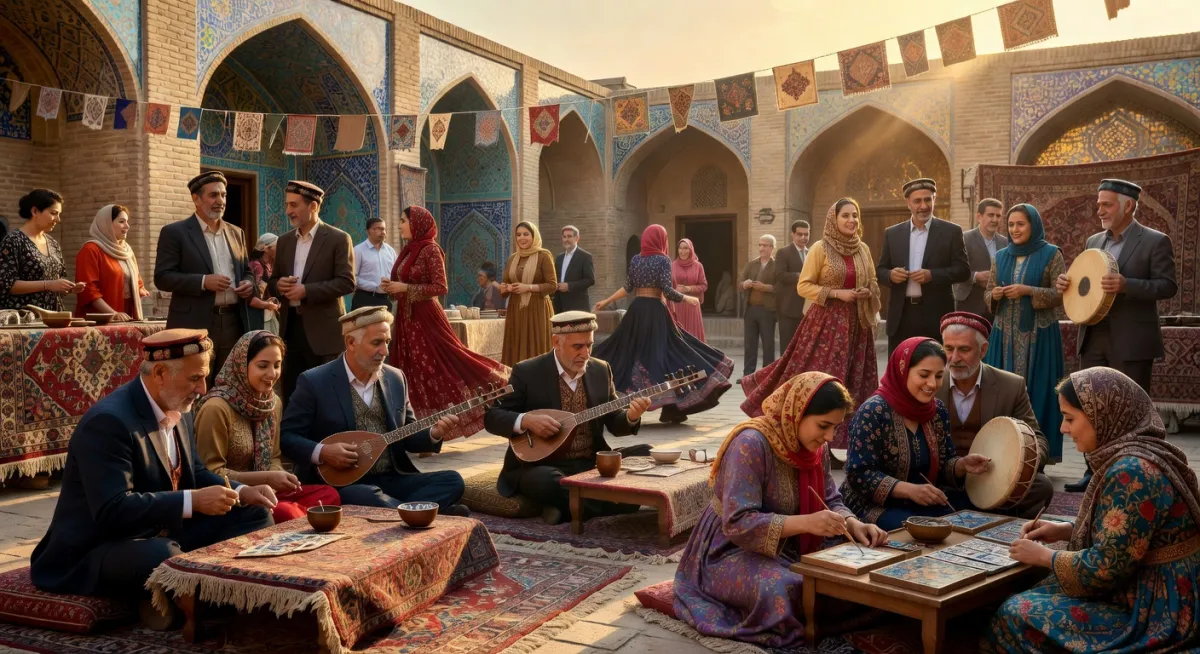
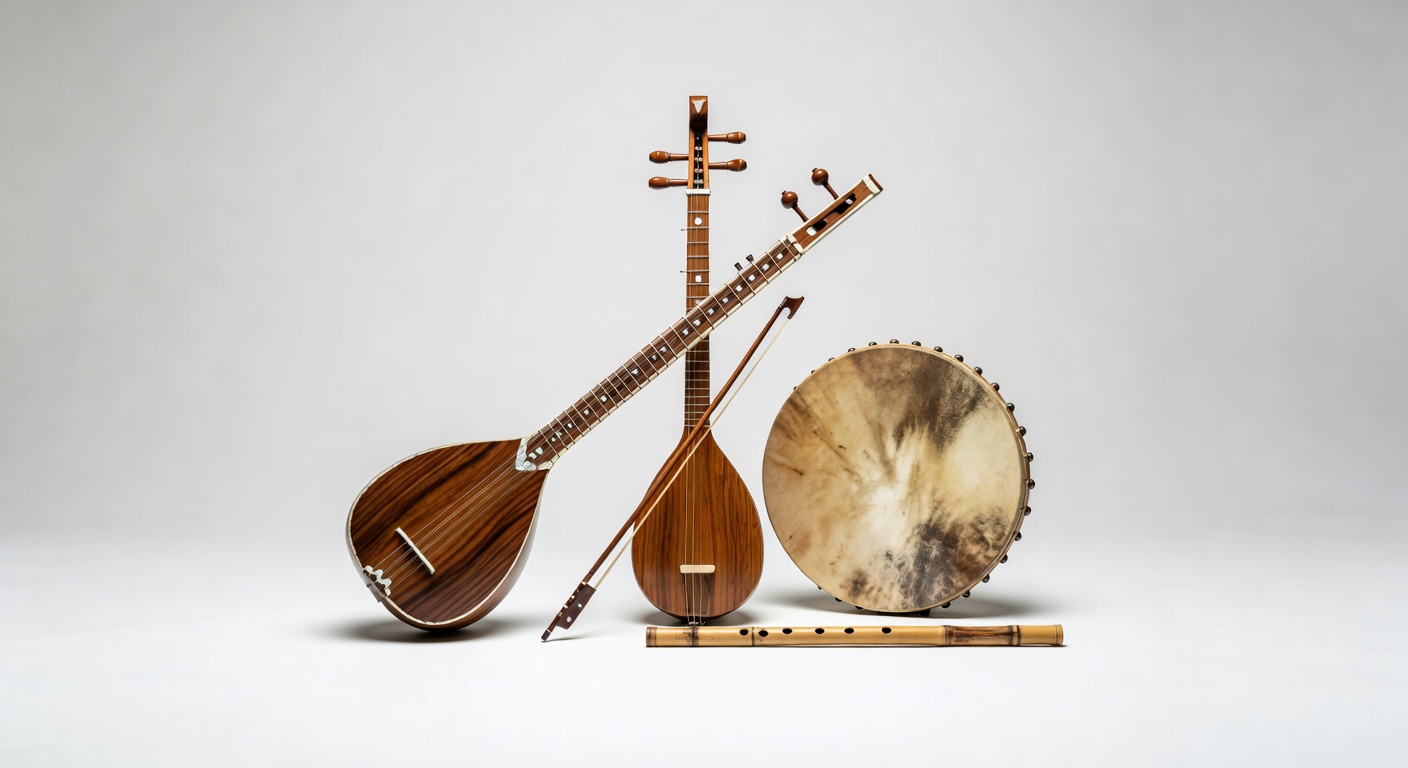
Traditional music arts in Iran are inseparable from their iconic instruments. The tar, a long-necked lute, produces rich, emotive tones. It is central to classical Persian ensembles. Its sound evokes the depth of Iranian heritage.
As an Amazon Associate, we earn from qualifying purchases.
Another vital instrument is the setar, meaning 'three strings.' Its delicate timbre suits intimate performances. Cultural historians find that it often accompanies poetic recitations. This reflects the lyrical nature of Persian music.
The daf, a frame drum, adds rhythmic energy to gatherings. Often used in spiritual ceremonies, it carries symbolic weight. Arts experts recommend listening to daf performances for authentic experiences. Its beats connect listeners to ancient traditions.
Music lovers can explore these instruments through various platforms. Many museums, like The Metropolitan Museum of Art, showcase Persian artifacts. Engaging with these resources enriches appreciation. It also ties directly to the passion of Persian culture enthusiasts.
The Radif System: A Musical Framework
At the heart of traditional music arts in Iran lies the radif system. This is a collection of melodic patterns passed down orally. It serves as the foundation for improvisation. Musicians learn it to master their craft.
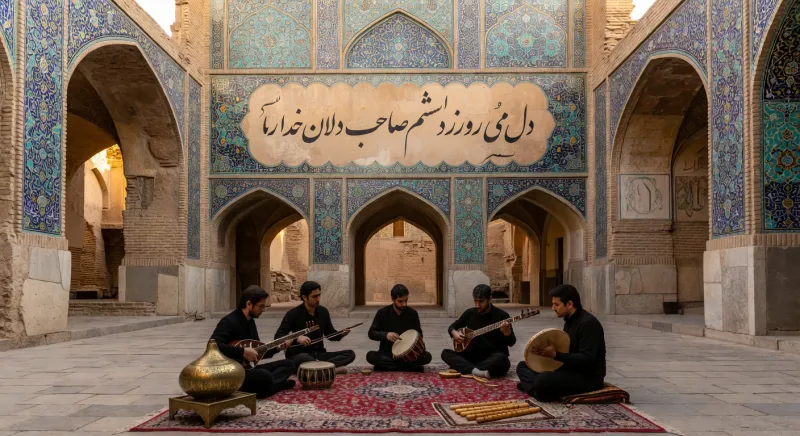
The radif consists of dastgahs, or modal systems, each with unique moods. There are twelve main dastgahs, offering endless creative possibilities. Cultural historians emphasize their role in preserving musical identity. They are a treasure for anyone studying Persian arts.
For history buffs, the radif reveals centuries of refinement. It connects modern performances to ancient roots. Learning its nuances requires dedication and patience. Yet, it rewards with profound cultural understanding.
Persian culture enthusiasts can explore radif through workshops or recordings. Many resources are available in archives and libraries. Engaging with communities via traditional music and arts categories helps. It fosters a deeper connection to this living tradition.
Regional Diversity in Iranian Music
Traditional music arts in Iran vary widely across regions. Each area boasts distinct styles and influences. From Kurdish melodies to Balochi rhythms, diversity shines. This reflects the nation's rich cultural tapestry.
In northern Iran, Gilaki music features lively dance tunes. It often accompanies agricultural festivals and celebrations. Arts experts note its joyful, communal spirit. This resonates with music lovers seeking authentic sounds.
Southern regions, like Khuzestan, offer Arabic-influenced melodies. These blend with Persian elements for unique harmonies. Cultural historians highlight their historical trade connections. Such insights fascinate those exploring Persian heritage.
For enthusiasts, regional music offers endless discovery. Attending local performances or festivals is ideal. Online archives also provide access to rare recordings. Engaging with these styles deepens appreciation for traditional music arts in Iran.
Music in Persian Rituals and Ceremonies
Traditional music arts in Iran play a vital role in rituals. From weddings to religious events, music sets the tone. It carries emotional and spiritual significance. This draws history buffs to study its context.
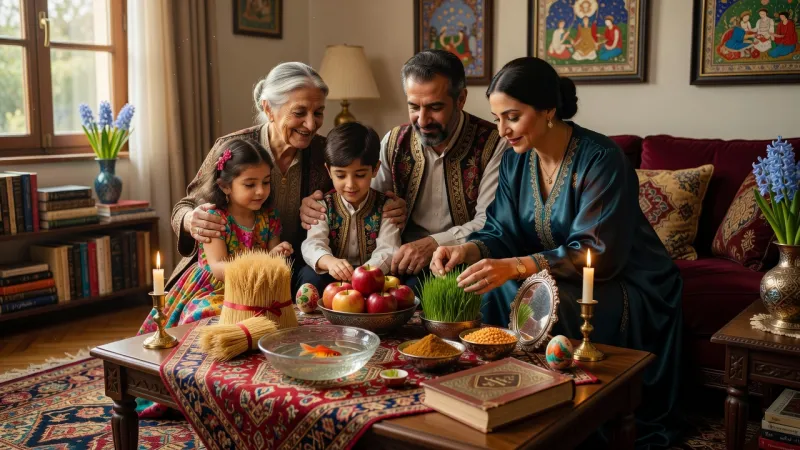
In Nowruz celebrations, music welcomes the Persian New Year. Traditional songs evoke renewal and hope. Arts experts recommend experiencing these live for full impact. They connect listeners to ancient customs.
Sufi ceremonies often feature hypnotic melodies and chants. Instruments like the daf enhance spiritual immersion. Cultural historians note their role in fostering unity. This aspect captivates those interested in mysticism.
Music lovers can explore these traditions through cultural events. Many communities host performances tied to rituals. Resources from platforms like Encyclopaedia Britannica offer detailed accounts. Such engagement enriches understanding of Persian cultural depth.
Poetry and Music: An Inseparable Bond
In traditional music arts in Iran, poetry holds a special place. Many compositions are based on works by Hafez or Rumi. Their verses add layers of meaning to melodies. This fusion captivates Persian culture enthusiasts.
Classical Persian music often serves as a vessel for poetry. Singers recite ghazals, a form of lyrical poetry. Arts experts highlight how music amplifies emotional resonance. It creates a profound listening experience.
For history buffs, this bond reveals cultural priorities. Poetry and music together preserve linguistic heritage. They reflect societal values and historical events. Understanding this link offers deeper cultural insight.
Music lovers can explore this connection through curated playlists. Many recordings pair iconic poems with traditional melodies. Engaging with content in Persian poetry and literature enhances appreciation. It ties directly to the heart of Iranian arts.
For authoritative Persian culture resources, visit Encyclopaedia Britannica and The Metropolitan Museum of Art.
Frequently Asked Questions
What are the main instruments in traditional music arts in Iran?
The primary instruments in traditional music arts in Iran include the tar, setar, and daf. The tar, a lute-like instrument, creates deep, emotive sounds for ensembles. The setar, with its delicate tones, suits solo or poetic performances. The daf, a frame drum, adds rhythm to spiritual and festive events. Museums often display these artifacts for closer study. Exploring live performances also brings their unique sounds to life.
How does poetry influence Iranian traditional music?
Poetry profoundly shapes traditional music arts in Iran, often serving as lyrical content. Works by poets like Hafez and Rumi are set to melodies in ghazals. This blend enhances emotional depth in performances. It also preserves linguistic and cultural heritage over centuries. Music lovers can find recordings that highlight this connection. Attending recitals offers a direct experience of this art form.
What is the radif system in Persian music?
The radif system is a core element of Iranian musical tradition. It comprises melodic patterns within dastgahs, or modes, for improvisation. Musicians learn these orally to master their craft. This framework connects modern artists to ancient roots. For enthusiasts, studying it reveals cultural depth. Workshops and archives provide access to this knowledge.
Why is music important in Persian ceremonies?
Music holds deep significance in Persian ceremonies, marking key life events. It features in weddings, Nowruz, and Sufi rituals for emotional impact. These sounds evoke joy, renewal, or spiritual connection. They also preserve communal traditions across generations. Exploring cultural festivals offers insight into these roles. History buffs will find this aspect especially meaningful.
How can I learn more about Iranian musical heritage?
Learning about Iranian musical heritage starts with accessible resources. Online archives and cultural websites offer recordings and histories. Local communities often host performances or workshops for immersion. Museums display instruments and artifacts tied to this field. Engaging with related content broadens understanding. For enthusiasts, consistent exploration builds a lasting connection.
Final Thoughts
The journey through traditional music arts in Iran reveals a vibrant cultural heritage. From ancient roots to regional styles, these arts encapsulate Persian identity. Instruments, poetry, and rituals weave a rich tapestry for exploration. This depth captivates history buffs and music lovers alike.
For Persian culture enthusiasts, engaging with this tradition is rewarding. Dive into resources, attend performances, or explore categories like cultural and social aspects. Every step enriches appreciation of Iran's musical legacy.
Start today by seeking out authentic recordings or events. Connect with communities passionate about preserving these arts. Iranian music offers endless inspiration for those eager to learn.