For Persian culture enthusiasts, history buffs, and music lovers, the intersection of ancient civilizations offers a fascinating lens into the evolution of thought and creativity. One of the most captivating connections lies in the Greek philosophy influence on Iranian thinkers. This profound impact shaped intellectual traditions in Persia, leaving a legacy that resonates through history and culture. This article delves into how Greek ideas merged with Persian wisdom, enriching philosophical discourse and inspiring generations.
- Discover how Greek philosophy shaped Persian intellectual traditions over centuries.
- Explore key Iranian thinkers who integrated Greek concepts into their works.
- Understand the cultural exchanges that bridged Greek and Persian worlds.
- Learn about the lasting impact on Persian history and heritage for enthusiasts.
- Connect with the shared roots of philosophy for deeper cultural appreciation.
- Reflect on how these influences inspire modern Persian thought and arts.
The Historical Context of Greek and Persian Encounters
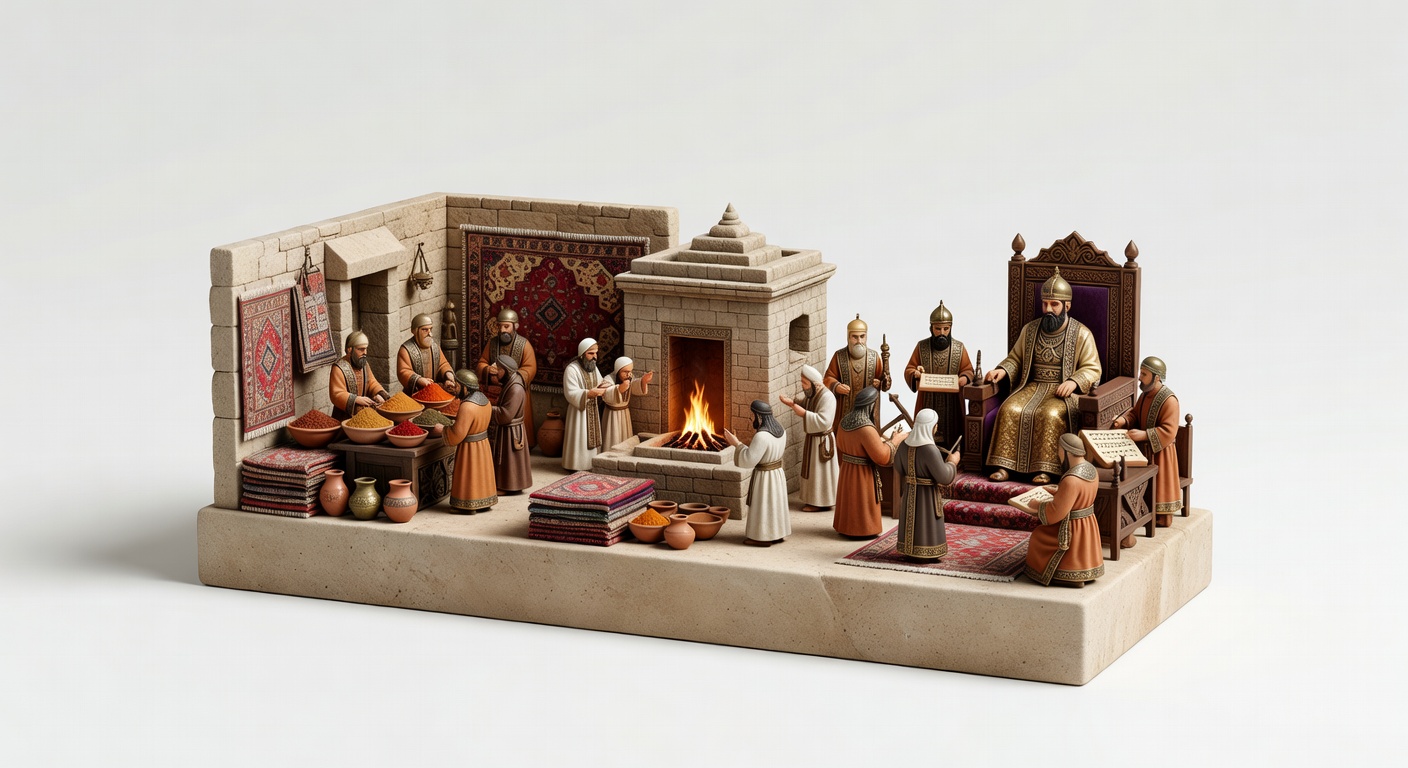
The story of Greek philosophy influence on Iranian thinkers begins with the historical interactions between these two great civilizations. The Achaemenid Empire, a cornerstone of Persian history, came into contact with Greek culture through conquests and trade. This era saw the exchange of ideas as early as the 5th century BCE. Cultural historians note that such encounters laid the groundwork for philosophical dialogue.
After Alexander the Great's conquests, the Hellenistic period deepened these ties. Greek cities in Persian territories became hubs for intellectual exchange. Libraries and schools flourished, blending Greek and Persian thought. This fusion created a fertile ground for ideas to cross-pollinate.
The Seleucid Empire, a successor to Alexander's realm, further facilitated this blend. Greek texts on philosophy reached Persian scholars through translations. Thinkers in Persia began engaging with concepts from Plato and Aristotle. History buffs will appreciate how these exchanges shaped intellectual landscapes.
For Persian culture enthusiasts, this period highlights a shared heritage. The blending of ideas influenced not just philosophy but also arts and music. Exploring this era through resources like Persian historical eras offers deeper insights. This cross-cultural dialogue remains a vital part of Persian identity.
Key Iranian Thinkers Inspired by Greek Philosophy
Several prominent Iranian thinkers felt the Greek philosophy influence on Iranian thinkers during and after the Hellenistic era. One notable figure is Avicenna, known as Ibn Sina, whose works reflect Aristotelian logic. His metaphysical writings show a clear debt to Greek thought. Persian scholars note his role in synthesizing these ideas with Islamic theology.
As an Amazon Associate, we earn from qualifying purchases.
Another key thinker, Al-Farabi, also drew heavily from Greek philosophy. He interpreted Plato's political theories to envision ideal societies. His works bridged Greek concepts with Persian cultural contexts. This blend enriched philosophical discussions in the Islamic Golden Age.
As an Amazon Associate, we earn from qualifying purchases.
History buffs will find Suhrawardi's illuminationist philosophy equally compelling. He merged Platonic ideas with ancient Persian mysticism. His approach created a unique school of thought in Persia. This synthesis underscores the depth of Greek influence on Iranian minds.
For enthusiasts of Persian heritage, these thinkers highlight a vibrant intellectual tradition. Their works resonate in modern philosophy and even inspire Persian arts. Exploring their contributions through Persian philosophy and thinkers reveals a rich legacy. Their ideas remain relevant for cultural appreciation today.
The Role of Translation in Spreading Greek Ideas
Translation played a pivotal role in the Greek philosophy influence on Iranian thinkers. During the Sassanian era, Persian courts became centers for learning. Greek texts were translated into Middle Persian, or Pahlavi. Cultural historians find this process crucial for idea dissemination.
Later, under the Abbasid Caliphate, the House of Wisdom in Baghdad emerged. Persian scholars translated Greek works into Arabic alongside Syriac texts. This effort preserved and expanded philosophical knowledge. It ensured Greek ideas reached Iranian intellectuals widely.
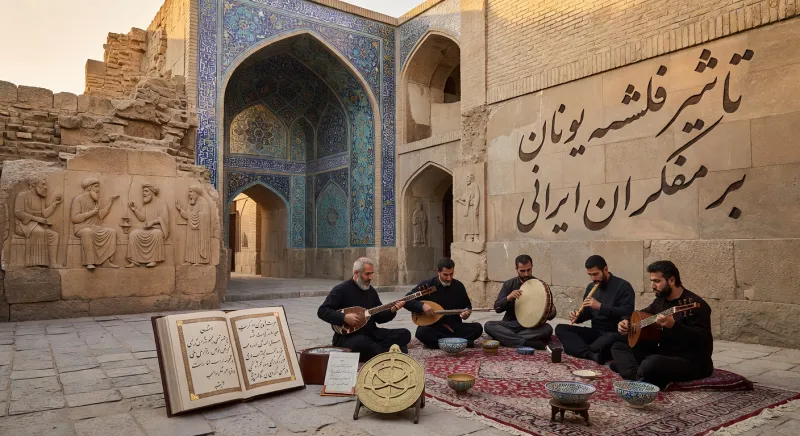
Key texts by Plato, Aristotle, and others became accessible through these translations. Persian thinkers adapted these works to local contexts. They infused Greek logic with Persian ethical and spiritual insights. This adaptation created a unique philosophical tradition in Persia.
For history buffs, this translation movement is a testament to Persian ingenuity. It also influenced cultural expressions like poetry and music. Enthusiasts can explore this legacy at sites like Encyclopaedia Britannica. This effort remains a cornerstone of Persian intellectual heritage.
Cultural Syncretism in Philosophy and Arts
The Greek philosophy influence on Iranian thinkers extended beyond pure thought into cultural realms. Persian art and literature absorbed Greek motifs after Hellenistic interactions. Sculptures and architectural designs often reflected Greek aesthetics. Cultural historians highlight this as evidence of deep syncretism.
In philosophy, Greek ideas of ethics and metaphysics merged with Persian Zoroastrian concepts. This blend created distinctive schools of thought in Persia. Thinkers debated Greek notions of virtue alongside Persian ideas of cosmic order. This dialogue enriched both traditions significantly.
For music lovers, this syncretism echoes in Persian musical theory. Greek concepts of harmony influenced early Persian modes. These ideas shaped the foundations of traditional music over time. Arts experts recommend exploring this through historical performances.
Persian culture enthusiasts will value how these influences persist today. The integration of Greek and Persian elements defines much of Persian heritage. Resources like The Metropolitan Museum of Art offer visual insights. This cultural fusion remains a source of inspiration.
Impact on Persian Intellectual Traditions
The Greek philosophy influence on Iranian thinkers left an indelible mark on Persian intellectual traditions. Logic and systematic reasoning, core to Greek philosophy, became integral in Persia. Iranian scholars adopted these tools for theological and scientific inquiries. This shift elevated Persian scholarship globally.
Medieval Persian universities became centers for philosophical study. Greek texts formed part of their curricula alongside local teachings. This education system produced thinkers who influenced global knowledge. History buffs will recognize this as a golden era of learning.
The influence also shaped Persian ethical frameworks. Greek ideas of virtue ethics blended with Persian moral teachings. This created a nuanced understanding of human conduct in Persia. Cultural historians note its impact on societal norms.
For enthusiasts, this intellectual legacy ties directly to Persian identity. It informs modern philosophical discourse and cultural expressions. Music lovers may see parallels in the structured beauty of Persian arts. This heritage continues to inspire curiosity and pride.
Final Thoughts
The Greek philosophy influence on Iranian thinkers reveals a profound chapter in Persian history. This cross-cultural exchange enriched intellectual traditions, blending Greek logic with Persian wisdom. For history buffs and culture enthusiasts, it offers a window into a shared human heritage.
This legacy continues to resonate in Persian arts, music, and thought. Enthusiasts are encouraged to explore these connections further through resources like traditional music and arts. Engaging with this history deepens appreciation for Persian culture.
Take time to reflect on how these ancient interactions shape modern perspectives. Dive into Persian philosophical texts or attend cultural events to connect with this past. The journey through history promises endless inspiration.
For authoritative Persian culture resources, visit Encyclopaedia Britannica and The Metropolitan Museum of Art.
Frequently Asked Questions
How did Greek philosophy reach Iranian thinkers?
The Greek philosophy influence on Iranian thinkers began through historical encounters during the Achaemenid Empire. Conquests and trade introduced Greek ideas to Persian territories. Alexander the Great's campaigns further deepened these ties in the Hellenistic period. Translation movements under the Sassanians and Abbasids made Greek texts accessible. Persian scholars adapted these works, blending them with local traditions. This process shaped a unique intellectual heritage in Persia.
What Iranian thinkers were influenced by Greek philosophy?
Several Iranian thinkers felt the Greek philosophy influence on Iranian thinkers, notably Avicenna and Al-Farabi. Avicenna integrated Aristotelian logic into his metaphysical works. Al-Farabi applied Plato's political theories to envision ideal societies. Suhrawardi also merged Platonic ideas with Persian mysticism. Their contributions created distinctive philosophical schools in Persia. For enthusiasts, their works remain a vital part of cultural history.
Why is Greek influence important to Persian history?
The impact of Greek thought on Persian intellectuals is crucial to understanding cultural evolution. It shaped philosophical discourse and enriched intellectual traditions. This exchange influenced ethics, science, and even artistic expressions. For history buffs, it highlights Persia's role in global knowledge. Exploring these connections deepens appreciation of cultural heritage. It remains a key aspect of historical studies.
How did Greek ideas affect Persian arts and music?
Greek concepts of harmony and structure influenced Persian musical theory significantly. Early modes in Persian music reflect these ancient principles. In visual arts, Greek motifs appeared in sculptures and architecture. This blend created a unique aesthetic in Persian culture. Music lovers can trace these roots in traditional compositions. Cultural historians value this as evidence of syncretism.
What role did translation play in Greek-Persian exchanges?
Translation was vital in spreading Greek philosophical ideas to Persian scholars. During the Sassanian era, Greek texts were rendered into Middle Persian. Later, the House of Wisdom facilitated translations into Arabic. This preserved and expanded access to Greek knowledge. Persian thinkers adapted these ideas to fit local contexts. For enthusiasts, this effort underscores Persia's intellectual legacy.