For Persian culture enthusiasts, history buffs, and music lovers, exploring the intricate tapestry of ancient Persian wedding customs and traditions offers a captivating glimpse into a civilization renowned for its rich heritage. These rituals, deeply rooted in Persian history, reflect values of family, community, and spirituality that resonate even today. Weddings in ancient Persia were not mere events but profound ceremonies uniting individuals and clans. This article delves into the customs that defined these unions, shedding light on their significance within the broader context of ancient Persian customs and rituals.
- Explore the symbolic rituals of ancient Persian weddings for deeper cultural insight.
- Understand the role of family and community in strengthening marital bonds.
- Learn how music and poetry enriched wedding celebrations in Persian history.
- Discover the spiritual elements that shaped matrimonial traditions in ancient Persia.
- Appreciate the enduring influence of these customs on modern Persian culture.
- Connect with historical texts via resources like Encyclopaedia Britannica for further reading.
- Explore artifacts related to weddings at The Metropolitan Museum of Art.
Why Ancient Persian Wedding Customs and Traditions Matter
Ancient Persian wedding customs and traditions stand as a cornerstone of cultural identity in Persian history. These practices, documented in historical texts, reveal a society that valued unity and reverence. For history buffs, they offer a window into societal structures of empires like the Achaemenid and Sassanid. Their importance lies in their enduring influence on modern rituals.
Persian culture enthusiasts will find fascination in how weddings symbolized more than love. They were alliances between families, often sealed with elaborate ceremonies. These events reinforced social hierarchies and communal bonds. The rituals were meticulously planned to honor both the couple and their lineage.
Music lovers will note the integral role of melodies in these celebrations. Traditional instruments accompanied songs of joy and blessings. These musical elements were not just entertainment but spiritual expressions. They connected the physical union to a divine purpose.
For those intrigued by heritage, these customs highlight a blend of Zoroastrian beliefs and local practices. Weddings often invoked blessings from Ahura Mazda, the supreme deity. This spiritual depth added layers of meaning to every ritual. Exploring these traditions helps one appreciate the complexity of ancient Persian life, as detailed in resources under Persian historical eras.
Key Rituals in Ancient Persian Weddings
The rituals of ancient Persian wedding customs and traditions were steeped in symbolism and meaning. One prominent custom was the signing of the marriage contract, or 'aqd.' This legal and spiritual agreement outlined mutual obligations. It was often witnessed by family elders, emphasizing communal involvement.
As an Amazon Associate, we earn from qualifying purchases.
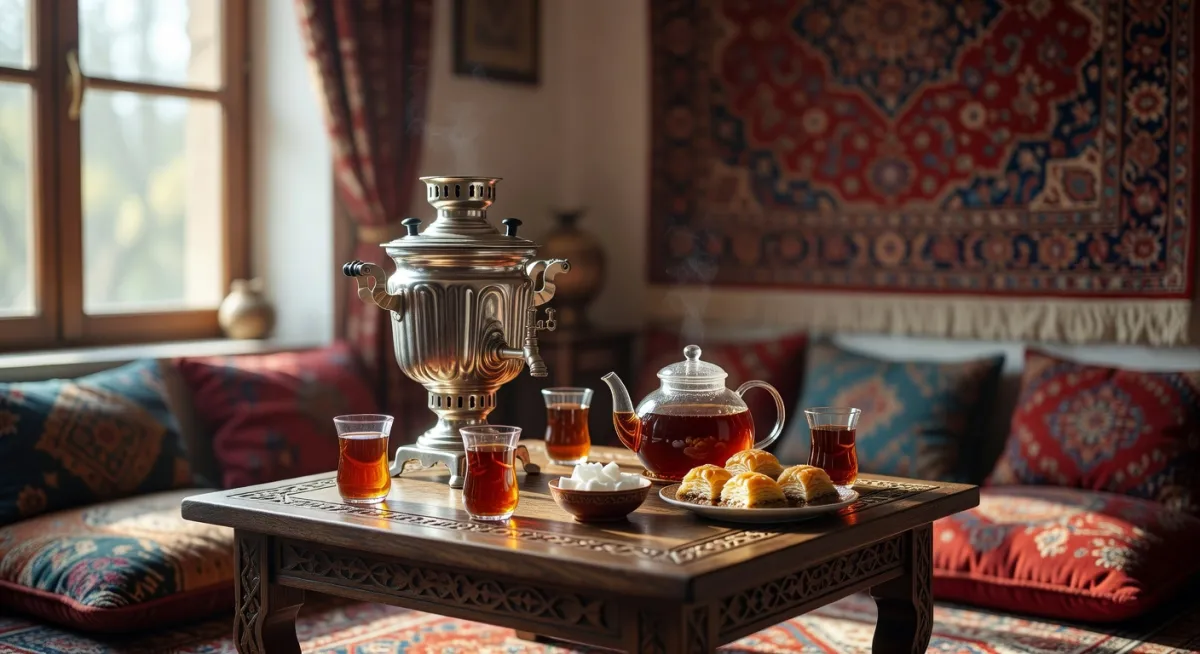
Another significant ritual was the sofreh aghd, a ceremonial spread of symbolic items. Items like honey, coins, and mirrors represented sweetness, wealth, and truth. Each element held a specific blessing for the couple's future. This practice remains a cherished tradition among Persians today.
As an Amazon Associate, we earn from qualifying purchases.
Blessings by a priest or elder were also central to the ceremony. These blessings invoked divine protection and prosperity. Often, they were recited in ancient languages like Avestan. For history buffs, this highlights the deep religious roots of Persian weddings.
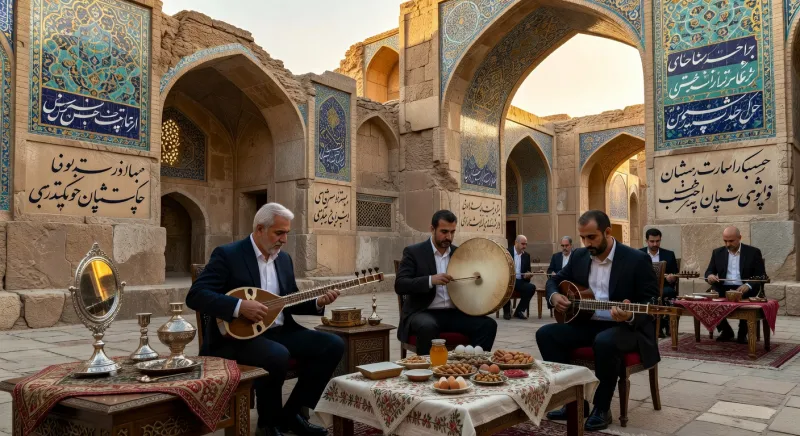
Music and dance played a vital role, resonating with music lovers. Traditional songs, often accompanied by instruments like the tar, celebrated the union. These performances were communal, involving guests in shared joy. Exploring these elements connects enthusiasts to the vibrancy of Persian heritage, as seen in traditional music and arts.
Symbolism in Ancient Persian Wedding Attire
Attire in ancient Persian wedding customs and traditions carried profound symbolic weight. Brides often wore garments adorned with intricate embroidery. These designs symbolized fertility, protection, and divine favor. The choice of colors, like green or gold, reflected hope and prosperity.
Grooms, too, dressed in outfits signifying status and responsibility. Their attire often included sashes or cloaks representing strength. Accessories like daggers or ceremonial belts highlighted readiness to protect. These elements spoke to societal roles within Persian culture.
For Persian culture enthusiasts, the craftsmanship of these garments is striking. Textiles were often handwoven, showcasing regional artistry. Patterns drew from nature, reflecting a deep connection to the environment. This attention to detail reveals much about ancient aesthetics.
History buffs will appreciate how attire varied across dynasties. Under the Sassanids, royal weddings featured opulent silks and jewels. Such extravagance underscored political alliances through marriage. These visual cues offer a tangible link to Persia's storied past for all interested readers.
The Role of Family and Community in Weddings
In ancient Persian wedding customs and traditions, family and community were central pillars. Marriages were rarely just between two individuals. They united entire clans, strengthening social ties. This collective involvement remains a hallmark of Persian heritage.
Families played a key role in matchmaking and negotiations. Elders often arranged unions based on compatibility and status. Their wisdom ensured harmony beyond the couple's immediate bond. This practice reflects a deep respect for ancestral guidance.
Community participation extended to the wedding itself. Neighbors and kin contributed food, music, and blessings. Such collective efforts fostered a sense of belonging. For culture enthusiasts, this underscores the communal spirit of Persian life.
History buffs will note how these customs reinforced societal stability. Weddings often served as public affirmations of loyalty. They cemented alliances during turbulent times. This communal aspect offers profound insight into how Persians maintained cohesion across centuries.
Music lovers will find the communal songs particularly evocative. Group chants and dances unified participants in celebration. These shared melodies carried stories of love and lineage. They remain a vibrant part of Persian cultural expression even today.
Spiritual Dimensions of Ancient Persian Weddings
Spirituality permeated ancient Persian wedding customs and traditions, reflecting Zoroastrian influences. Ceremonies often began with prayers to Ahura Mazda for guidance. Fire, a sacred element, symbolized purity and divine presence. Its inclusion in rituals was deeply meaningful.
Couples exchanged vows under the guidance of a mobed, or priest. These vows emphasized mutual respect and duty. They were not just personal promises but spiritual covenants. This sacred framing elevated the union's significance.
For Persian culture enthusiasts, these elements reveal a holistic worldview. Marriage was seen as a cosmic alignment, not just a social contract. Rituals often mirrored natural cycles, like equinoxes. This connection to the divine fascinates those studying Persian heritage.
History buffs will recognize how these practices evolved over time. Pre-Islamic beliefs blended with later influences, yet core tenets persisted. Such continuity speaks to the resilience of Persian spirituality. Exploring these dimensions offers a deeper appreciation of ancient customs and rituals.
For authoritative Persian culture resources, visit Encyclopaedia Britannica and The Metropolitan Museum of Art.
Frequently Asked Questions
What are some key ancient Persian wedding customs and traditions?
Ancient Persian wedding customs and traditions were rich with symbolism and community involvement. Key practices included the signing of the marriage contract, known as 'aqd,' which formalized the union. The sofreh aghd, a ceremonial spread, featured items like mirrors and honey for blessings. Priestly blessings invoked divine favor, often tied to Zoroastrian beliefs. Music and communal dances also played a vital role in celebrations. These elements collectively highlight the cultural depth of Persian matrimonial rites.
How did spirituality influence ancient Persian wedding rituals?
Spirituality was a cornerstone of ancient Persian wedding customs and traditions, deeply rooted in Zoroastrianism. Ceremonies often involved prayers to Ahura Mazda for protection and prosperity. Fire, symbolizing purity, was a central element in many rituals. Couples made vows as spiritual covenants, guided by priests. This sacred approach framed marriage as a divine union. For enthusiasts, this aspect reveals the profound worldview of ancient Persians.
What role did music play in ancient Persian weddings?
Music was integral to ancient Persian matrimonial celebrations, resonating with communal joy. Traditional instruments like the tar accompanied songs of love and blessings. These melodies often carried cultural stories and lineage tales. Group dances unified participants, enhancing the festive spirit. For music lovers, exploring these elements offers a direct link to Persian artistry. It showcases how sound enriched significant life events.
How did family contribute to ancient Persian marriage customs?
Family played a pivotal role in ancient Persian matrimonial practices, shaping unions from start to finish. Elders often arranged matches based on compatibility and social standing. They negotiated terms and guided the couple through rituals. Entire clans participated in celebrations, contributing resources and support. This collective involvement strengthened communal bonds. History buffs will find this reflective of broader societal structures in Persia.
What symbolism was present in ancient Persian wedding attire?
Attire in ancient Persian nuptial ceremonies was laden with symbolic meaning, reflecting cultural values. Brides wore embroidered garments symbolizing fertility and protection. Grooms donned outfits representing strength and duty, often with ceremonial accessories. Colors like gold signified prosperity and hope. For culture enthusiasts, these details highlight the artistry and intent behind every choice. They connect modern viewers to historical aesthetics and traditions.
Final Thoughts
Delving into ancient Persian wedding customs and traditions unveils a world of profound rituals and cultural depth. These practices, from symbolic attire to spiritual blessings, reflect a society where marriage was a sacred bond uniting families and communities. For Persian culture enthusiasts, history buffs, and music lovers, these customs offer a tangible connection to a storied past.
The enduring influence of these traditions invites readers to explore further. Resources like those in Persian historical eras provide deeper insights into related customs. Engaging with this heritage enriches one's understanding of Persian identity.
Take time to reflect on how these ancient rituals resonate today. Share thoughts or seek out historical texts for more context. The legacy of Persian weddings continues to inspire across generations.