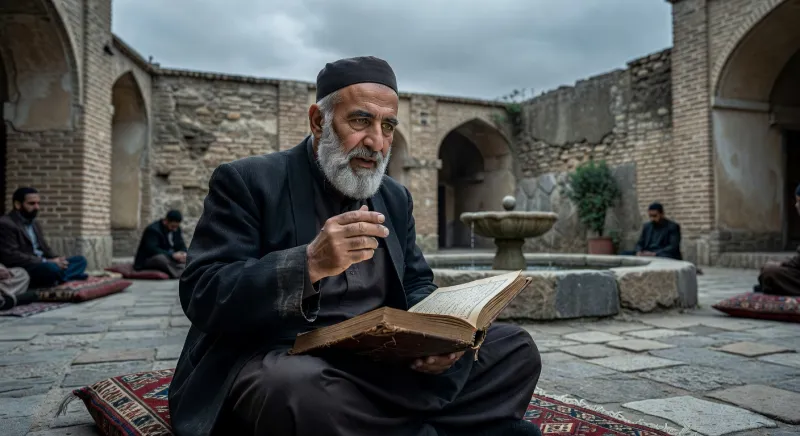
Persian poetry and literature stand as one of the most profound and enduring contributions to global cultural heritage. Originating from a civilization with deep roots in art, philosophy, and storytelling, Persian literary traditions have captivated readers and scholars across the world. The works of iconic poets like Rumi and Hafez represent the pinnacle of this legacy, weaving intricate tapestries of emotion, spirituality, and human experience through their verses. Their poetry transcends linguistic and cultural boundaries, offering insights into the soul of Persian culture while resonating with universal themes of love, longing, and the divine.
The evolution of Persian literature is deeply intertwined with the historical and social fabric of the region. From the mystical musings of Rumi to the lyrical elegance of Hafez, these literary giants crafted works that reflect the complexities of their era while remaining timeless in their appeal. Their poetry not only shaped the cultural identity of Persia but also influenced literary traditions far beyond its borders. This exploration into Persian poetry and literature offers a glimpse into the brilliance of these poets and the enduring power of their words, as preserved through generations of storytelling and scholarship.
For those eager to delve into the heart of Persian heritage, understanding the contributions of these poets provides a window into the philosophical and artistic depth of the culture. Their works, often rooted in Sufi mysticism and profound human emotion, continue to inspire and educate. Through this detailed examination, readers can uncover the nuances of Persian literary traditions and appreciate the lasting impact of Rumi, Hafez, and their contemporaries on global literature.
- Persian poetry often blends themes of love, spirituality, and nature, creating a unique emotional resonance that speaks to diverse audiences.
- The works of Rumi and Hafez are deeply influenced by Sufi philosophy, emphasizing the quest for divine connection and inner enlightenment.
- Persian literature has historically been a medium for preserving cultural values, social commentary, and historical narratives.
- Many Persian poems were designed to be recited or sung, often accompanied by traditional music, highlighting the interplay between Persian music and arts.
- The imagery and metaphors in Persian poetry, such as the rose and the nightingale, symbolize deeper philosophical and emotional truths.
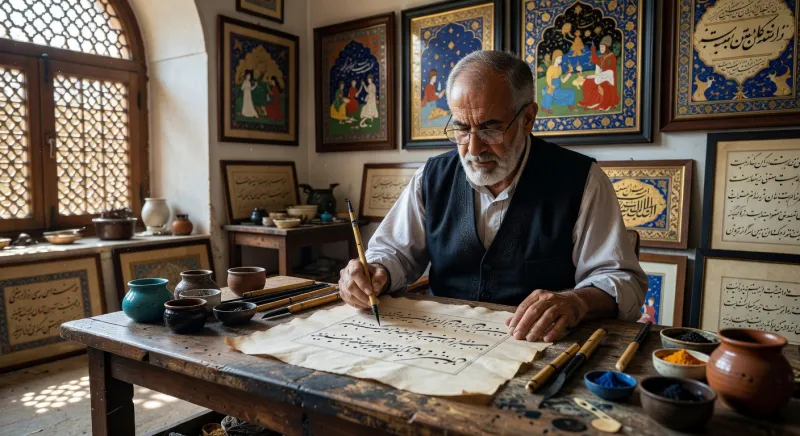
- The influence of Persian poets extends beyond literature, inspiring visual arts, calligraphy, and cultural expressions across various mediums.
The Foundations of Persian Poetry and Literature
Persian poetry and literature have their roots in a rich oral tradition that predates written records. This tradition was nurtured by a society that valued storytelling as a means of preserving history, ethics, and cultural identity. Over time, the development of the Persian language provided a fertile ground for literary expression, allowing poets to craft works of unparalleled beauty and depth. The emergence of classical Persian poetry became a cornerstone of cultural life, with verses often recited in royal courts, communal gatherings, and spiritual settings.
Themes in early Persian literature frequently revolved around epic tales, moral lessons, and the celebration of nature and human emotion. These works were not merely entertainment but served as a reflection of societal values and philosophical thought. As Persian literature evolved, it incorporated influences from various cultural and intellectual movements, including Islamic teachings and pre-Islamic traditions. This blend of diverse elements created a unique literary style that remains a defining feature of Persian poetry, accessible through resources like poetry and literature archives.
Rumi: The Mystic Poet of Love and Spirituality
Among the most celebrated figures in Persian literature, Rumi stands as a beacon of mystical poetry. Known for his profound spiritual insights, Rumi's verses explore the depths of human connection to the divine. His poetry often transcends the material world, inviting readers to embark on an inner journey of self-discovery and unity with the universe. Rumi's works, such as those found in collections like The Poems of Rumi, remain a testament to his enduring influence on both Persian and global literary traditions.
As an Amazon Associate, we earn from qualifying purchases.
Rumi's poetry is characterized by its emotional intensity and vivid imagery, often drawing on metaphors of love and longing to express spiritual truths. His teachings, deeply rooted in Sufi philosophy, emphasize the importance of transcending the self to achieve a higher state of being. Through his verses, Rumi has inspired countless individuals to explore themes of universal love and spiritual awakening, making his work a vital part of Persian philosophy and thinkers. His influence can also be seen in various art forms, as documented by institutions like The Metropolitan Museum of Art.
As an Amazon Associate, we earn from qualifying purchases.
Hafez: The Master of Lyric and Romance
Hafez, another luminary of Persian poetry, is often hailed as the master of the ghazal, a form of lyrical poetry that captures the nuances of love, beauty, and existential reflection. His verses are renowned for their elegance and emotional depth, weaving together themes of romantic longing with profound philosophical undertones. Hafez's poetry often reflects a playful yet poignant dialogue with the divine, blending earthly desires with spiritual aspirations in a way that captivates readers.
The works of Hafez are celebrated for their intricate wordplay and layered meanings, inviting multiple interpretations. His poetry frequently uses symbols like wine and the beloved to explore complex ideas about human existence and the divine relationship. Hafez's influence on Persian culture is immense, with his verses often quoted in everyday life and celebrated in artistic expressions. His contributions to Persian literature are a vital part of the cultural narrative, as explored in resources like cultural and social aspects of Persian heritage.
The Cultural Impact of Persian Poetry
The impact of Persian poetry on culture and society cannot be overstated. The works of poets like Rumi and Hafez have shaped not only literary traditions but also the broader artistic and philosophical landscape of Persia. Their poetry has been a source of inspiration for calligraphy, miniature paintings, and music, creating a rich interplay between different forms of expression. This cultural synergy is evident in the way Persian poetry has been integrated into ceremonies, festivals, and daily life, reinforcing its role as a pillar of identity.
Beyond the borders of Persia, the influence of these poets has reached global audiences, with translations of their works sparking interest in diverse literary circles. Their themes of universal human experience have made Persian poetry a bridge between cultures, fostering dialogue and understanding. The preservation of these literary treasures, supported by scholarly efforts and institutions like Encyclopaedia Britannica, ensures that future generations can appreciate the depth and beauty of this tradition. Exploring related historical contexts through historical eras further enriches this understanding.
Frequently Asked Questions
What are the main themes in Rumi's poetry?
Rumi's poetry primarily focuses on themes of spiritual love, the quest for divine connection, and the transcendence of the self. His verses often use metaphors of romantic love to symbolize a deeper yearning for unity with the divine, reflecting core principles of Sufi philosophy.
How does Hafez's style differ from Rumi's?
While Rumi's poetry is deeply mystical and focused on spiritual transformation, Hafez's work often centers on lyrical expressions of romantic love and philosophical musings. Hafez's ghazals are known for their intricate wordplay and layered meanings, contrasting with Rumi's more direct emotional and spiritual appeals.
Why is Persian poetry significant in global literature?
Persian poetry holds a significant place in global literature due to its universal themes of love, longing, and human experience. The works of poets like Rumi and Hafez have been translated into numerous languages, influencing literary traditions worldwide and fostering cross-cultural appreciation.
How has Persian poetry influenced other art forms?
Persian poetry has profoundly influenced various art forms, including calligraphy, miniature painting, and traditional music. Poems are often visually represented in intricate designs or performed with musical accompaniment, highlighting the interconnectedness of Persian arts and literature.
Where can one explore more about Persian literary traditions?
Readers can delve deeper into Persian literary traditions through dedicated resources on poetry and literature. Additionally, institutions like The Metropolitan Museum of Art offer insights into the cultural artifacts inspired by these literary works.
Final Thoughts
The journey through Persian poetry and literature from Rumi to Hafez reveals a world of unparalleled beauty, depth, and cultural significance. Their works, steeped in emotion and philosophy, continue to resonate with readers, offering timeless wisdom and inspiration. As pillars of Persian heritage, these poets have not only shaped literary traditions but also enriched the broader tapestry of global culture. Their verses invite exploration and reflection, bridging the past with the present through the power of words.
For those inspired to learn more about the richness of Persian culture, a deeper dive into related topics awaits. Explore the intersections of poetry with other cultural elements through categories like traditional music and arts or uncover the historical contexts in historical eras. Let the legacy of Rumi and Hafez guide further discovery into the heart of Persian heritage.