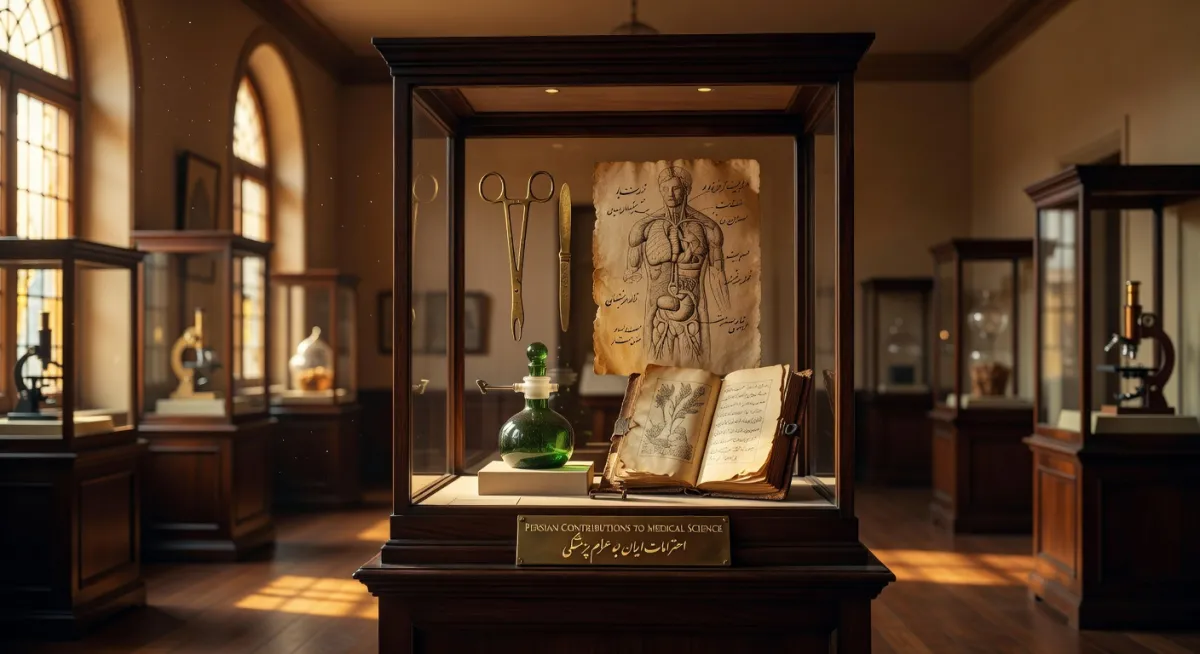
For Persian culture enthusiasts, history buffs, and music lovers, the legacy of Persian scholars like Rhazes and Avicenna offers a profound connection to the roots of modern medicine. Their groundbreaking work in healthcare during the Islamic Golden Age showcases the brilliance of Persian history. It reveals how intellectual pursuits shaped global knowledge. This article dives into Rhazes and Avicenna contributions to medicine, highlighting their impact on both past and present.
- Discover how Rhazes pioneered clinical observation in medical practice.
- Learn about Avicenna's comprehensive medical encyclopedia, a timeless resource.
- Understand their influence on modern pharmacology and surgical techniques.
- Explore the Persian cultural context that fostered scientific innovation.
- Appreciate how their work bridges history and today's healthcare.
- Connect their achievements to broader Persian intellectual heritage.
- Reflect on their lasting legacy for global medical advancements.
Who Were Rhazes and Avicenna in Persian History?
Rhazes, known as Muhammad ibn Zakariyya al-Razi, was a polymath from Persia. He excelled as a physician, chemist, and philosopher. His life's work laid foundational principles for medical practice. Persian scholars note his dedication to empirical observation.
Born in Rayy, near modern-day Tehran, Rhazes became a hospital director. He emphasized patient care over theoretical speculation. His approach was revolutionary for its time. It prioritized evidence over tradition.
Avicenna, or Ibn Sina, was another towering figure in Persian history. He authored influential texts on medicine and philosophy. His brilliance earned him recognition across cultures. History buffs admire his multidisciplinary genius.
Their contributions resonate with Persian culture enthusiasts. Their era reflects a peak of intellectual achievement. It ties into the broader narrative of Persian heritage. Their work remains a source of pride today.
Rhazes' Groundbreaking Contributions to Medicine
Rhazes made significant strides in clinical medicine. He was among the first to document patient histories. This method improved diagnosis and treatment. His meticulous records set a new standard.
As an Amazon Associate, we earn from qualifying purchases.
He distinguished between smallpox and measles with precision. This clarity helped physicians identify diseases accurately. His observations saved countless lives. Persian scholars highlight his practical focus.
As an Amazon Associate, we earn from qualifying purchases.
Rhazes also advanced pharmacology with detailed studies. He classified substances for medical use. His experiments with chemicals were pioneering. They influenced later pharmaceutical developments.
For history buffs, Rhazes represents Persian innovation at its finest. His work in hospitals mirrors the cultural value of care. It connects to the heritage of knowledge-sharing. Rhazes and Avicenna contributions to medicine remain inspiring.
Avicenna's Monumental Medical Encyclopedia
Avicenna's most famous work is the Canon of Medicine. This text became a cornerstone of medical education. It was used for centuries in Europe and Asia. Its depth reflects Persian intellectual rigor.
The Canon covers anatomy, physiology, and treatments. Avicenna included detailed surgical procedures. He emphasized the importance of diet and hygiene. His holistic view was ahead of its time.
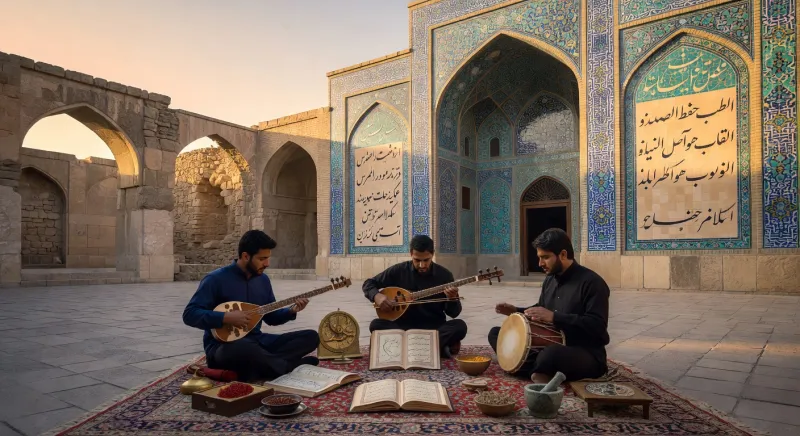
For Persian culture enthusiasts, this work symbolizes heritage. It shows how Persians shaped global science. Avicenna's influence extended beyond borders. His ideas resonate in modern healthcare.
History buffs find his systematic approach fascinating. The Canon ties into Persia's golden age of learning. It connects to broader themes of innovation. Rhazes and Avicenna contributions to medicine are evident here.
Influence on Pharmacology and Surgery
Rhazes and Avicenna transformed pharmacology with their research. Rhazes tested remedies on animals before human use. This ethical approach was groundbreaking. It ensured safer medical practices.
Avicenna detailed drug preparation in his texts. He categorized medicines by effect and usage. His precision aided physicians worldwide. Persian scholars note this meticulousness as cultural pride.
In surgery, both scholars introduced innovative techniques. Rhazes used anesthesia to reduce pain. Avicenna described tools for complex procedures. Their methods improved patient outcomes.
For music lovers, their work parallels artistic creativity. Just as Persian music innovates, so did their medical advances. Their legacy connects to cultural themes of excellence. Rhazes and Avicenna contributions to medicine shaped surgical standards.
Cultural Context of Their Medical Innovations
The Islamic Golden Age provided fertile ground for innovation. Persian culture valued knowledge and inquiry. Scholars like Rhazes and Avicenna thrived in this environment. Their work reflects cultural priorities.
Libraries and hospitals were central to Persian society. These institutions supported scientific exploration. They preserved texts for future generations. History buffs see this as a cultural hallmark.
For Persian culture enthusiasts, their era is inspiring. It shows a society dedicated to progress. Their achievements tie into broader heritage themes. Explore more about this era at Persian Historical Eras.
Music lovers can draw parallels to artistic expression. Just as Persian music preserves tradition, their medical texts endure. Their contributions highlight cultural depth. Rhazes and Avicenna contributions to medicine are rooted in this context.
Legacy and Modern Relevance
Their medical discoveries remain relevant today. Modern pharmacology owes much to their classifications. Hospitals still use patient observation methods pioneered by Rhazes. Their influence is undeniable.
Avicenna's Canon shaped medical curricula for centuries. Its principles guide holistic care practices. Physicians worldwide respect his insights. Persian scholars celebrate this enduring impact.
For history buffs, their legacy bridges past and present. It shows Persia's role in global science. Their work ties into intellectual heritage. Learn more at Persian Science and Inventions.
Culture enthusiasts and music lovers find inspiration here. Their dedication mirrors the passion in Persian arts. Their story enriches cultural understanding. Rhazes and Avicenna contributions to medicine continue to inspire.
For authoritative Persian culture resources, visit Encyclopaedia Britannica and The Metropolitan Museum of Art.
Frequently Asked Questions
What are Rhazes and Avicenna known for in medicine?
Rhazes and Avicenna are celebrated for their transformative roles in healthcare. Rhazes pioneered clinical observation and distinguished between diseases like smallpox. Avicenna authored the Canon of Medicine, a key medical text. Their work shaped diagnosis, pharmacology, and surgery. For Persian culture enthusiasts, their achievements highlight historical brilliance. Their legacy remains a point of pride.
How did Rhazes contribute to modern medical practices?
Rhazes introduced systematic patient observation in hospitals. He documented cases to improve diagnosis and treatment. His distinction between diseases aided accurate care. He also tested remedies ethically before use. Rhazes and Avicenna contributions to medicine set early standards. Their methods still influence clinical approaches today.
What is Avicenna's Canon of Medicine about?
The Canon of Medicine is Avicenna's comprehensive medical encyclopedia. It covers anatomy, treatments, and surgical techniques. The text emphasizes hygiene and diet in care. It was a primary resource for centuries globally. History buffs value its cultural significance. It reflects Persia's scientific leadership.
Why are Rhazes and Avicenna important to Persian heritage?
These scholars embody Persia's intellectual golden age. Their medical breakthroughs highlight a culture of learning. They preserved and advanced knowledge for future generations. For enthusiasts, their story enriches cultural identity. Music lovers see parallels in artistic dedication. Their impact strengthens Persian pride.
How do their medical discoveries connect to today's healthcare?
Their discoveries laid groundwork for modern healthcare systems. Pharmacology and surgical techniques trace back to their innovations. Patient observation methods are still in use. Their holistic views influence current practices. For history buffs, this connection is fascinating. It shows Persia's lasting global influence.
Final Thoughts
Rhazes and Avicenna contributions to medicine stand as pillars of Persian history. Their innovations in clinical care, pharmacology, and surgery shaped global healthcare. For Persian culture enthusiasts and history buffs, their work offers a window into a remarkable era. Their legacy continues to inspire modern science.
Music lovers can appreciate the harmony in their systematic approaches. Their dedication mirrors the precision in Persian arts. Dive deeper into such stories at Persian Historical Eras. Explore how these scholars fit into broader cultural narratives.
Reflect on their impact and share this knowledge. Engage with Persian heritage through these timeless contributions. Their story is a call to value intellectual history.