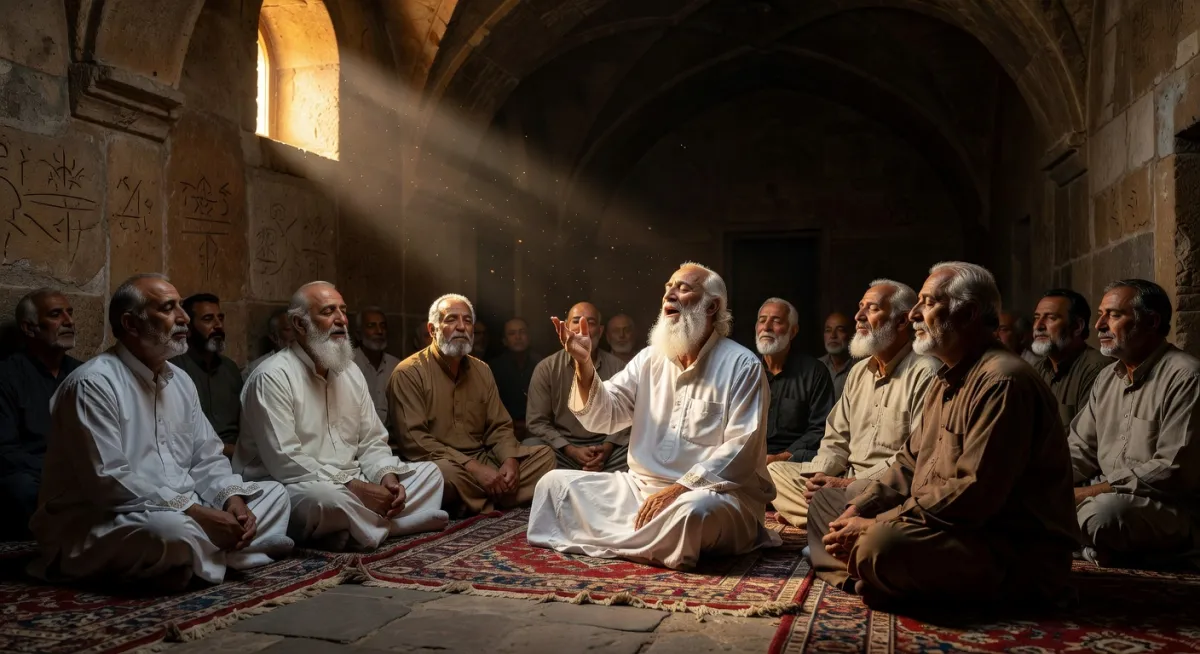
For Persian culture enthusiasts, history buffs, and music lovers, the timeless verses of Jalal ad-Din Muhammad Rumi offer a profound window into the soul of Persian heritage. Known as one of the greatest poets in history, Rumi's work transcends time and borders. His mystical poetry, often centered on themes of love and divine connection, resonates deeply with those who cherish Persian traditions. This article explores key Rumi mystical poetry selections, highlighting their cultural significance and enduring appeal.
- Discover how Rumi's poetry reflects Persian spiritual values.
- Explore specific verses that inspire deep emotional connections.
- Learn why Rumi remains relevant to modern audiences.
- Understand the link between Rumi's work and Persian music.
- Find ways to incorporate Rumi's teachings into daily life.
- Appreciate the historical context of Rumi's mystical themes.
The Essence of Rumi Mystical Poetry Selections
Rumi, born in the 13th century in the Persian-speaking world, crafted poetry that speaks to the universal human experience. His works, often written in Persian, are celebrated for their spiritual depth and emotional resonance. For Persian culture enthusiasts, Rumi's verses are not just literature. They are a bridge to understanding the mystical traditions of Persia.
His poetry often explores the concept of divine love, portraying it as a path to unity with the Creator. This theme is central to many Rumi mystical poetry selections, making them a treasure for history buffs. Scholars note that Rumi's words often reflect the Sufi tradition, a mystical branch of Islam. This connection adds layers of meaning to his work.
For music lovers, Rumi's poetry holds a unique charm. Many of his verses have inspired traditional Persian music and arts. Cultural historians find that his words often accompany the melodies of the setar or oud. This blend of poetry and music deepens the Persian cultural experience.
Exploring Rumi mystical poetry selections reveals a world of metaphors and allegories. His famous work, the Masnavi, is often called a spiritual epic. It guides readers through stories of love and transformation. For those passionate about Persian heritage, diving into these selections is essential.
Historical Context of Rumi's Mystical Works
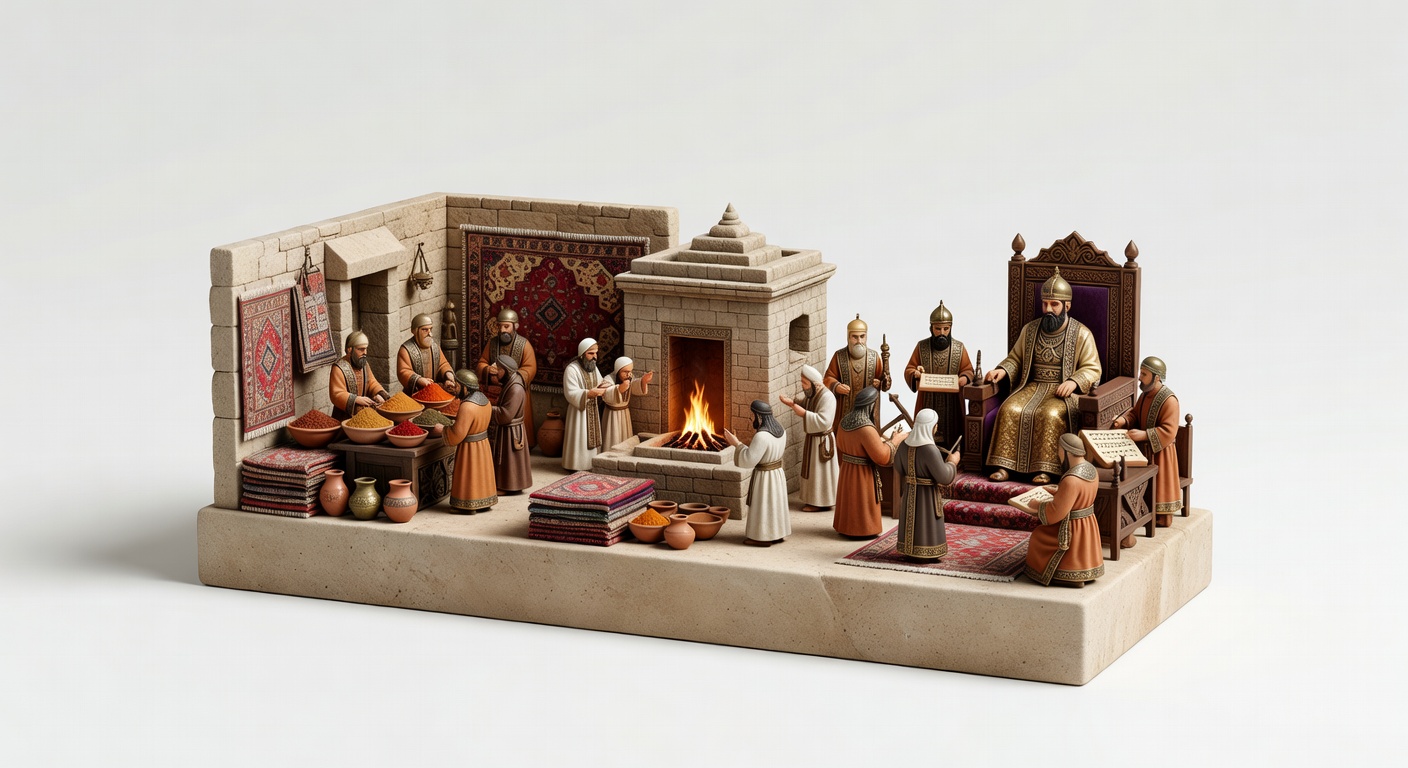
Rumi lived during a vibrant era of Persian history, when cultural and intellectual exchanges flourished. His birthplace, Balkh, was a hub of learning and spirituality. For history buffs, understanding this context enriches the appreciation of Rumi's poetry. His environment shaped his mystical outlook profoundly.
As an Amazon Associate, we earn from qualifying purchases.
The Seljuk Empire, under which Rumi lived, was a melting pot of ideas. Persian scholars note that Sufism thrived during this period, influencing Rumi's themes. His encounters with scholars and mystics, like Shams Tabrizi, ignited his poetic genius. This historical backdrop is crucial for enthusiasts.
As an Amazon Associate, we earn from qualifying purchases.
Rumi's relocation to Konya, in modern-day Turkey, also played a role. There, he founded the Mevlevi Order, known for the whirling dervishes. Cultural historians find this ritual tied to his poetry's rhythm. For Persian culture enthusiasts, this link is a fascinating study.
Delving into Rumi mystical poetry selections requires grasping these historical roots. His works reflect the turmoil and beauty of his time. They offer insights into medieval Persian society. History buffs can explore more through resources like Persian Historical Eras.
Rumi's Poetry and Persian Music Traditions
For music lovers, Rumi's poetry is inseparable from Persian musical traditions. His verses often inspire compositions played on traditional instruments. The rhythm of his words mirrors the beats of the daf or tombak. This synergy captivates those who adore Persian arts.
Cultural experts highlight that Rumi's poetry was often recited during Sufi gatherings. These events featured music as a form of spiritual expression. The sound of the ney, a reed flute, often accompanied his mystical lines. This tradition continues to enchant music enthusiasts today.
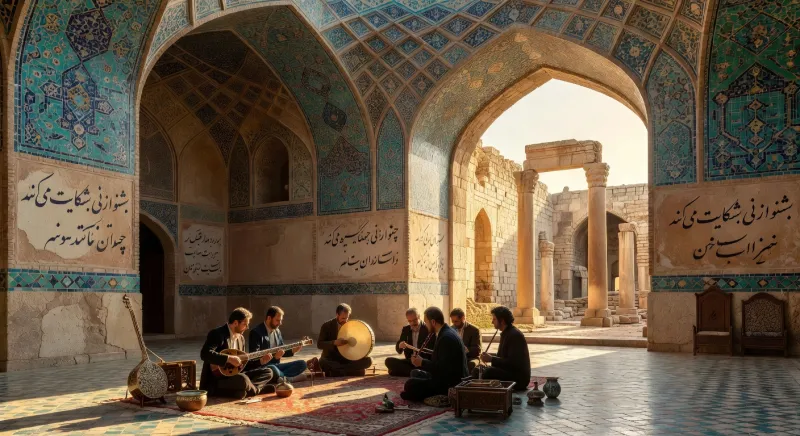
Rumi mystical poetry selections like those from the Divan-e Shams carry a lyrical quality. They seem crafted for musical interpretation. Arts experts recommend listening to renditions by Persian vocalists. This experience deepens one's connection to Rumi's spiritual message.
Exploring this intersection of poetry and music offers a richer cultural perspective. Many modern Persian artists draw inspiration from Rumi's work. Their performances keep his legacy alive in concert halls. Dive deeper into this art form at Traditional Music and Arts.
Key Themes in Rumi Mystical Poetry Selections
Rumi's poetry is a tapestry of recurring themes that resonate with Persian culture enthusiasts. Love, both human and divine, stands at the core of his work. His verses often blur the line between the two, offering profound insights. This duality captivates readers seeking spiritual depth.
Another theme is the journey of the soul toward unity with the divine. Rumi uses metaphors like the reed flute longing for its origin. Cultural historians find this imagery rooted in Persian mysticism. It speaks to the universal quest for meaning.
Transformation and surrender also permeate Rumi mystical poetry selections. His poems urge readers to let go of ego and embrace change. This message appeals to those exploring Persian philosophy. It reflects a timeless wisdom still relevant today.
For history buffs, these themes offer a glimpse into medieval Persian thought. Rumi's words challenge and inspire across centuries. They connect readers to a rich spiritual heritage. Engaging with these ideas enriches cultural understanding significantly.
Practical Ways to Engage with Rumi's Poetry
For Persian culture enthusiasts, engaging with Rumi mystical poetry selections can be deeply rewarding. Start by reading translations of his major works like the Masnavi. Choose versions by reputable scholars for accuracy. This ensures an authentic experience of his words.
Music lovers can seek out recordings of Rumi's poetry set to Persian melodies. Platforms often feature artists who blend his verses with traditional sounds. Arts experts recommend attending live performances if possible. This immersive approach enhances appreciation greatly.
History buffs might explore the historical settings of Rumi's life. Visiting virtual exhibits or reading from trusted sources helps. Resources like Encyclopaedia Britannica offer detailed insights. Such study adds depth to understanding his poetry.
Finally, consider joining discussion groups focused on Persian literature. Sharing interpretations with others enriches personal insights. Cultural historians suggest journaling reflections on Rumi's themes. This practice fosters a personal connection to his mystical legacy.
Visual and Artistic Inspirations from Rumi
Rumi's poetry has long inspired visual arts within Persian culture. Miniature paintings often depict scenes from his stories. For Persian culture enthusiasts, these artworks are a visual feast. They capture the essence of his mystical themes.
Calligraphy, a revered Persian art, frequently features Rumi's verses. His words are inscribed in elegant scripts on manuscripts. Cultural historians note this practice preserves his legacy. It also showcases Persian artistic finesse beautifully.
For history buffs, exploring museum collections offers a closer look. Many institutions house artifacts inspired by Rumi's work. Resources like The Metropolitan Museum of Art provide access to such treasures. These pieces reflect his cultural impact vividly.
Music lovers might notice Rumi's influence in performance arts too. Traditional dances often draw from his spiritual imagery. Engaging with these forms deepens cultural appreciation. Rumi mystical poetry selections thus inspire across various artistic mediums.
For authoritative Persian culture resources, visit Encyclopaedia Britannica and The Metropolitan Museum of Art.
Frequently Asked Questions
What are the best Rumi mystical poetry selections to start with?
For beginners eager to explore Rumi's work, starting with the Masnavi is highly recommended. This spiritual epic offers a comprehensive look at his teachings through stories. Selections from the Divan-e Shams also provide accessible insights into his themes of love. Persian scholars suggest translations by Coleman Barks for clarity in English. Pair these readings with historical context for deeper understanding. This approach suits both novices and seasoned enthusiasts.
How does Rumi's poetry connect to Persian music?
Rumi mystical poetry selections often intertwine with Persian musical traditions through rhythm and emotion. His verses were historically recited during Sufi gatherings with instruments like the ney. Today, many Persian artists set his words to melodies, preserving cultural heritage. Music lovers can explore recordings by artists like Alireza Ghorbani for examples. This fusion creates a powerful spiritual experience. It highlights the enduring bond between poetry and sound in Persia.
Why is Rumi considered a key figure in Persian culture?
Rumi holds a pivotal role in Persian heritage due to his profound spiritual insights. His poetry encapsulates Sufi philosophy, influencing generations of thinkers and artists. Cultural historians note his impact on literature and music across the region. His teachings continue to inspire those exploring Persian traditions. Engaging with his work offers a direct link to historical values. It remains a cornerstone for cultural studies.
Where can I find authentic translations of Rumi's work?
Finding authentic translations of Rumi's poetry is crucial for a true experience. Persian scholars recommend works by translators like Reynold Nicholson for historical accuracy. Online platforms and libraries often carry these editions for easy access. Checking reviews from cultural enthusiasts ensures quality before purchase. Visiting academic websites can also guide selections. This helps maintain the integrity of his mystical messages.
How can I incorporate Rumi's teachings into daily life?
Incorporating Rumi's teachings into daily life starts with reflecting on his themes of love. Reading a verse each morning can set a mindful tone for the day. Cultural experts suggest meditating on his ideas of surrender and unity. Joining discussion groups with fellow enthusiasts fosters shared learning. Journaling personal insights from his poetry builds deeper connections. This practice enriches spiritual growth for many.
Final Thoughts
Rumi mystical poetry selections offer an unparalleled journey into the heart of Persian culture. They weave together themes of love, transformation, and divine unity. For Persian culture enthusiasts, history buffs, and music lovers, his verses provide endless inspiration. Engaging with his work deepens appreciation for a rich heritage.
This exploration reveals how Rumi's poetry bridges history, music, and spirituality. It invites readers to reflect on timeless human experiences. Dive further into these cultural treasures by exploring Persian Poetry and Literature.
Take the first step today by reading a selection or listening to a musical rendition. Let Rumi's words guide personal and cultural discovery. His legacy awaits to transform and inspire anew.