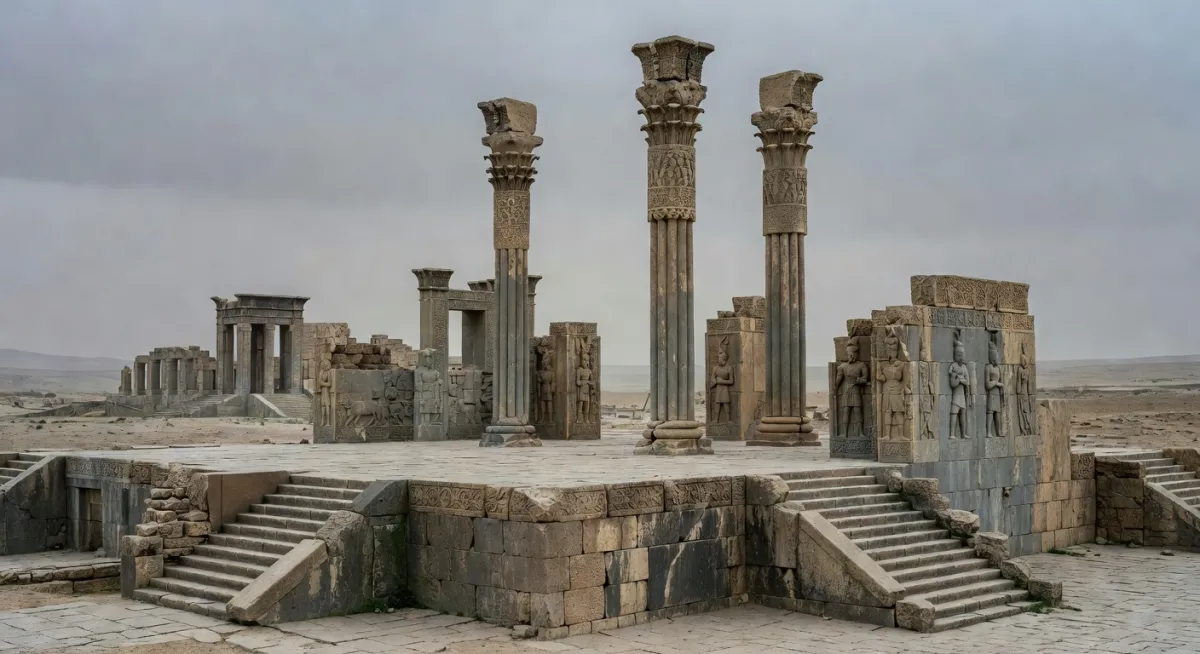
The Achaemenid Empire conquests and expansion stand as a monumental chapter in Persian history. This vast empire, founded by Cyrus the Great, reshaped the ancient world through strategic military campaigns and cultural integration. For Persian culture enthusiasts, history buffs, and music lovers, understanding this era offers a window into the roots of Persian heritage. It reveals how military might and cultural exchange forged a legacy still celebrated today.
- Discover how the Achaemenid Empire conquests and expansion unified diverse regions under one rule.
- Learn about key figures like Cyrus the Great and their impact on Persian history.
- Explore the cultural exchanges that enriched Persian arts and traditions.
- Understand the military strategies that made the empire a dominant force.
- Reflect on how these conquests influence modern Persian identity.
- Connect the empire's legacy to traditional Persian music and storytelling.
The Origins of Achaemenid Empire Conquests and Expansion
The Achaemenid Empire began in the heart of ancient Persia, now modern-day Iran. Cyrus the Great, its founder, initiated a series of conquests in the 6th century BCE. His vision was to create a unified empire spanning vast territories. This ambition laid the groundwork for unprecedented expansion.
Starting with the defeat of the Median Empire, Cyrus quickly moved to conquer neighboring regions. His campaigns targeted Lydia in Asia Minor and Babylon in Mesopotamia. Each victory added wealth and strategic advantage to the growing empire. Persian scholars note that Cyrus's diplomatic skills were as vital as his military prowess.
These early conquests shaped the empire's administrative structure and cultural policies. They allowed for a diverse population to thrive under a single banner. For history buffs, this era highlights the balance of power and tolerance. It set a precedent for governance that influenced future empires.
For Persian culture enthusiasts, this period is a source of pride. It marks the beginning of a legacy that echoes in art and music. The integration of various traditions under Achaemenid rule enriched Persian heritage. This cultural fusion remains a point of fascination today.
Key Conquests That Defined the Empire
The Achaemenid Empire conquests and expansion reached their zenith under rulers like Cyrus and Darius I. The conquest of Babylon in 539 BCE was a turning point. It brought immense wealth and cultural treasures into the empire. This victory solidified Persian dominance in the region.

As an Amazon Associate, we earn from qualifying purchases.
Under Darius I, the empire expanded into the Indus Valley and parts of Europe. Thrace and regions of the Black Sea came under Achaemenid control. These expansions showcased the empire's military ingenuity and logistical planning. History buffs will appreciate the scale of these campaigns.
As an Amazon Associate, we earn from qualifying purchases.
The conquest of Egypt under Cambyses II added another jewel to the empire's crown. This move secured vital trade routes and resources. It also introduced Persian influence into North African cultures. Such expansions highlight the empire's strategic vision.
For music lovers, these conquests meant the blending of musical traditions. Instruments and melodies from conquered lands enriched Persian music. Cultural historians find that this diversity still resonates in traditional arts. Explore more about these influences at Traditional Music and Arts.
Military Strategies Behind the Expansion
The success of Achaemenid Empire conquests and expansion relied on innovative military tactics. The Persian army was a well-organized force with diverse units. Archers, cavalry, and infantry worked in unison during battles. This coordination was key to their victories.
The empire also utilized the famous Immortals, an elite fighting unit. Their discipline and training intimidated enemies on the battlefield. Roads and communication networks ensured swift troop movements. Persian scholars highlight the logistical brilliance of this system.
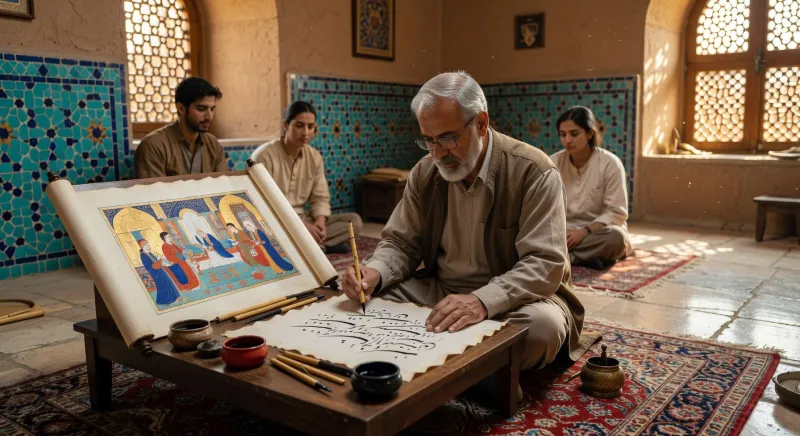
Siege warfare and diplomacy often complemented military might. Many regions surrendered without a fight due to Cyrus's reputation for mercy. This approach minimized casualties and fostered loyalty among subjects. History buffs will find these strategies fascinating to study.
For Persian culture enthusiasts, the military legacy ties into national pride. Stories of these conquests inspire epic tales and songs. Music lovers can trace martial themes in traditional compositions. The empire's strategies remain a celebrated part of heritage.
Cultural Impacts of Achaemenid Conquests
The Achaemenid Empire conquests and expansion were not just about land and power. They facilitated a profound cultural exchange across regions. From Egypt to India, diverse traditions merged with Persian customs. This created a rich tapestry of art and ideas.
Architecture, for instance, saw influences from Babylonian and Egyptian styles. Persepolis, the ceremonial capital, reflects this blend in its design. Sculptures and reliefs depict the empire's multicultural identity. Cultural historians find these artifacts invaluable for study.
Language and religion also evolved through these interactions. The use of Aramaic as a common tongue unified the empire. Zoroastrianism, the dominant Persian faith, coexisted with local beliefs. This tolerance strengthened cultural ties across regions.
For music lovers, this era introduced new instruments and rhythms. Persian melodies absorbed elements from conquered lands. Enthusiasts can explore these roots in modern performances. Learn more about cultural dimensions at Cultural and Social Aspects.
Legacy of the Achaemenid Empire Conquests
The Achaemenid Empire conquests and expansion left an indelible mark on history. Their administrative systems influenced later empires like Rome. The concept of centralized governance became a model for others. History buffs often study this enduring impact.
The empire's roads, like the Royal Road, boosted trade and communication. These networks connected distant lands and fostered economic growth. They also allowed cultural ideas to spread rapidly. Persian scholars note the significance of this connectivity.
For Persian culture enthusiasts, the legacy is deeply personal. The empire's achievements are a source of identity and inspiration. Festivals and literature often reference this golden age. The pride in this history remains strong today.
Music lovers can see the empire's influence in traditional Persian songs. Epic tales of conquest are common in lyrical themes. These stories preserve the spirit of the era. The cultural resonance is undeniable and lasting.
Exploring Historical Sources on the Empire
Understanding the Achaemenid Empire conquests and expansion requires delving into historical records. Ancient texts, like the Behistun Inscription, detail Darius I's achievements. These carvings provide firsthand accounts of the empire's growth. They are treasures for history buffs.
Greek historians, such as Herodotus, also documented Persian campaigns. Their writings offer an outsider's perspective on the empire. While sometimes biased, these accounts add depth to the narrative. Scholars often cross-reference them with Persian sources.
Archaeological findings further illuminate this era of expansion. Sites like Persepolis reveal the grandeur of Achaemenid rule. Artifacts uncovered there showcase the empire's cultural diversity. These discoveries captivate Persian culture enthusiasts.
For music lovers, historical sources inspire modern interpretations. Songs and poems often draw from ancient texts. Exploring these roots connects the past to present. For further reading, visit Encyclopaedia Britannica and The Metropolitan Museum of Art.
For authoritative Persian culture resources, visit Encyclopaedia Britannica and The Metropolitan Museum of Art.
Frequently Asked Questions
What were the major Achaemenid Empire conquests?
The Achaemenid Empire conquests and expansion included key victories under Cyrus the Great and Darius I. Babylon fell in 539 BCE, marking a significant triumph. Lydia, Egypt, and the Indus Valley also came under Persian control. These conquests expanded the empire across three continents. They brought wealth, resources, and cultural diversity. History buffs can explore these events through ancient texts and artifacts.
How did the Achaemenid Empire expand so quickly?
The rapid Achaemenid Empire conquests and expansion stemmed from military innovation and diplomacy. Cyrus the Great used strategic alliances and mercy to win over regions. The Persian army's organization, including the elite Immortals, ensured battlefield success. Infrastructure like the Royal Road aided swift troop movements. Diplomacy often prevented prolonged conflicts. For enthusiasts, this showcases Persian ingenuity in governance and war.
What regions did the Achaemenid Empire control?
The Achaemenid Empire ruled over vast territories spanning Asia, Africa, and Europe. Key areas included Mesopotamia, Egypt, Asia Minor, and the Indus Valley. Thrace and parts of the Black Sea were also under their influence. This vast control made it one of history's largest empires. Cultural historians note the diversity this brought. Persian enthusiasts take pride in this extensive reach.
How did conquests affect Persian culture?
The empire's expansions deeply enriched Persian traditions and arts. Conquered lands introduced new architectural styles, languages, and religious ideas. This blend is evident in sites like Persepolis with mixed influences. Music and storytelling also evolved through these exchanges. For fans of heritage, this era's impact is profound. It shaped the cultural identity still celebrated today.
Why is the Achaemenid Empire important to history?
The Achaemenid Empire holds a pivotal place in global history. It pioneered centralized governance and cultural tolerance on a massive scale. Its roads and administrative systems influenced later civilizations. For history buffs, this era offers lessons in power and unity. Music lovers see its legacy in epic tales and songs. Persian culture enthusiasts cherish its role in shaping identity.
Final Thoughts
The Achaemenid Empire conquests and expansion remain a cornerstone of Persian history. They highlight a period of military brilliance and cultural richness. For Persian culture enthusiasts, history buffs, and music lovers, this era offers endless inspiration. Its influence on arts, governance, and identity endures in modern times.
Delving into this history connects the past with the present. It encourages a deeper appreciation of Persian heritage and traditions. Explore related topics at Historical Eras to uncover more fascinating insights.
Take time to reflect on how these conquests shaped the world. Share stories of this legacy with others. Let the spirit of the Achaemenid Empire inspire your journey through Persian culture.