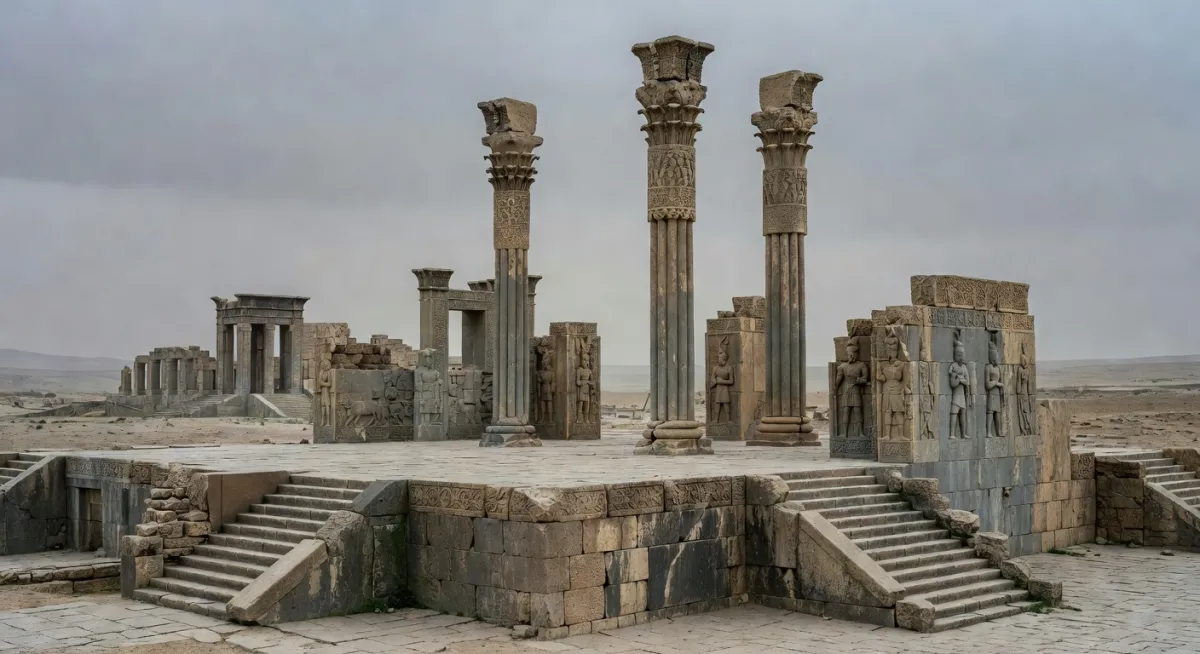
For Persian culture enthusiasts, history buffs, and music lovers, the Achaemenid Empire stands as a towering symbol of ancient glory. Its military conquests shaped not only the borders of an empire but also the cultural and historical legacy of Persia. This article dives deep into the Achaemenid Empire military conquests explained, offering a window into the strategies and triumphs that defined this era. Readers will uncover how these victories influenced Persian heritage and even echoed in later art and music traditions.
- Understand the scale of Achaemenid military campaigns across three continents.
- Learn how Cyrus the Great's strategies revolutionized ancient warfare.
- Discover the role of the Immortals, an elite military unit, in conquests.
- Explore how military success shaped Persian cultural identity and heritage.
- Connect ancient victories to themes in Persian music and storytelling.
- Gain insights into the administrative genius behind sustaining vast territories.
- Appreciate the lasting impact on modern perceptions of Persian history.
The Rise of the Achaemenid Empire
The Achaemenid Empire emerged as a dominant force in the ancient world under Cyrus the Great. His vision united disparate tribes into a formidable power. This empire stretched across vast regions, from the Indus Valley to the Aegean Sea. Its rise was not accidental but a result of calculated military prowess.
Cyrus began with the conquest of Media, a neighboring kingdom, around the mid-6th century BCE. His approach blended diplomacy with force, often sparing defeated rulers if they swore loyalty. This tactic minimized resistance and expanded his realm swiftly. Persian scholars note that such mercy was rare for the time.
Next came Lydia in modern-day Turkey, rich in resources and trade routes. Cyrus defeated King Croesus, integrating this wealth into his growing empire. This victory secured economic stability for further campaigns. History buffs will appreciate how these early wins set a precedent.
The conquest of Babylon marked a pinnacle of early Achaemenid success. Cyrus entered the city with minimal bloodshed, hailed as a liberator. This event showcased his strategic genius and cultural sensitivity. For enthusiasts, it reflects a key moment in Persian heritage narratives.
Achaemenid Empire Military Conquests Explained: Key Campaigns
The Achaemenid Empire military conquests explained reveal a series of campaigns that reshaped the ancient world. Under Cyrus, the empire expanded through bold yet calculated moves. His successors, like Cambyses II and Darius I, continued this legacy. Their military endeavors remain a fascination for history buffs.

As an Amazon Associate, we earn from qualifying purchases.
Cambyses II targeted Egypt, a land of immense cultural and economic value. His victory at Pelusium brought the Nile under Achaemenid control. This conquest added a vital region to the empire's domain. It also introduced Persian influence into Egyptian art and traditions.
As an Amazon Associate, we earn from qualifying purchases.
Darius I pushed boundaries further into the Indus Valley and Thrace. His campaigns against Scythian tribes tested the empire's military adaptability. Though not always successful, these efforts showed Persian determination. Cultural historians find these interactions rich with cross-cultural exchanges.
Attempts to conquer Greece under Darius and Xerxes met fierce resistance. The battles of Marathon and Thermopylae became legendary. Despite setbacks, these campaigns influenced Greek-Persian relations for centuries. For music lovers, these clashes inspired epic tales in Persian storytelling.
Military Strategies and Innovations
The Achaemenid military was renowned for its innovative strategies and organization. Their success relied on more than sheer numbers. Leaders adapted to diverse terrains and enemies with remarkable skill. History buffs will find these tactics a testament to Persian ingenuity.
One key innovation was the use of a professional standing army. The Immortals, an elite force of 10,000 soldiers, were always ready for battle. Their name came from immediate replacement of fallen warriors. This unit struck fear into enemies across regions.
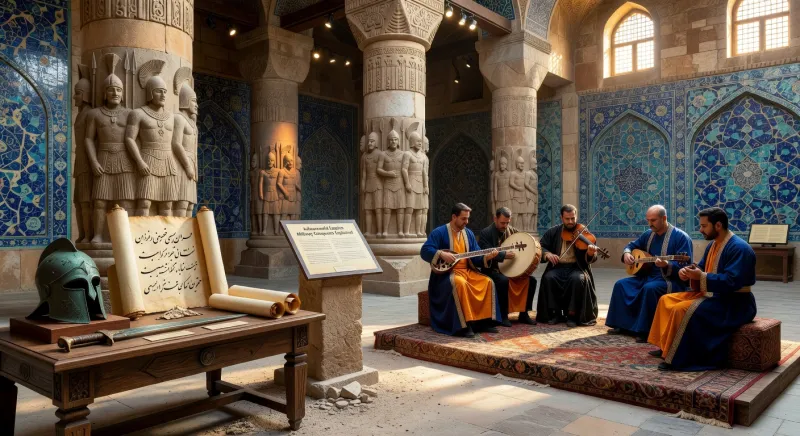
The empire also mastered logistics, maintaining supply lines over vast distances. Royal Roads facilitated swift troop movements and communication. This infrastructure was crucial for controlling distant territories. Persian scholars highlight how this system influenced later empires.
Cavalry and archers played central roles in Achaemenid warfare. Their mobility and precision overwhelmed opponents in open battles. These tactics often decided the outcome of major conflicts. For enthusiasts, such strategies echo in Persian cultural depictions of valor.
Cultural Impact of Military Conquests
The Achaemenid Empire military conquests explained extend beyond battlefields to cultural realms. Victories brought diverse peoples under one rule, fostering exchanges of ideas. This melting pot shaped Persian identity in profound ways. Enthusiasts will see connections to modern Persian heritage.
Conquered regions adopted Persian administrative systems and art styles. In return, Achaemenid culture absorbed local traditions, creating a unique blend. Temples and palaces reflected this fusion, evident in archaeological finds. History buffs can explore such sites through resources like The Metropolitan Museum of Art.
Military success also inspired Persian literature and music traditions. Epic tales of conquest became central to storytelling. These narratives often carried moral and cultural lessons. Music lovers will note how such themes persist in Persian compositions.
The empire's diversity enriched its cultural output, influencing regions far beyond its borders. This legacy of tolerance and integration remains a point of pride. It connects directly to the values celebrated in Persian communities today. Explore more on cultural impacts at Persian Cultural Insights.
Administration and Control After Conquests
Conquering lands was only half the battle for the Achaemenid Empire. Maintaining control over diverse territories required administrative brilliance. Their system of governance became a model for future empires. History buffs will admire this aspect of Persian history.
The empire was divided into satrapies, each governed by a satrap or provincial leader. These officials reported directly to the king, ensuring loyalty. They collected taxes and maintained local order. This structure balanced central control with regional autonomy.
Standardized coinage and weights facilitated trade across vast distances. The Royal Road network linked distant provinces, aiding communication. Such innovations kept the empire cohesive despite its size. Persian scholars often cite this as a key to longevity.
Cultural tolerance was another pillar of Achaemenid rule. Local customs and religions were often preserved under Persian oversight. This policy reduced rebellions and fostered stability. For enthusiasts, it reflects a nuanced approach to power. Learn more about historical contexts at Persian Historical Eras.
Legacy of Achaemenid Military Conquests
The Achaemenid Empire military conquests explained leave a lasting legacy on world history. Their influence shaped political boundaries and cultural interactions for centuries. Even after the empire's fall, its impact endured. This resonates with Persian culture enthusiasts today.
The empire's military feats inspired later powers, including Alexander the Great. His campaigns often mirrored Achaemenid strategies and ambitions. This continuity highlights Persia's role in shaping warfare. History buffs can trace these threads through time.
Culturally, the conquests enriched Persian art, architecture, and literature. Themes of heroism and empire-building permeated creative expressions. These stories still echo in modern Persian music and poetry. Music lovers will find deep connections in these traditions.
For a broader perspective on ancient empires, resources like Encyclopaedia Britannica offer detailed accounts. The Achaemenid legacy remains a source of pride for many. It continues to inform how Persian heritage is viewed globally. This enduring influence captivates diverse audiences.
For authoritative Persian culture resources, visit Encyclopaedia Britannica and The Metropolitan Museum of Art.
Frequently Asked Questions
What were the major Achaemenid Empire military conquests?
The Achaemenid Empire military conquests explained include several pivotal campaigns that expanded its territory. Under Cyrus the Great, key victories included Media, Lydia, and Babylon, establishing a vast empire. Cambyses II conquered Egypt, adding a crucial cultural center. Darius I extended control into the Indus Valley and parts of Europe. These conquests spanned three continents, showcasing military might. History buffs can explore how these wins shaped Persian dominance.
How did the Achaemenid Empire organize its military?
The Achaemenid Empire boasted a highly organized military, central to its conquests. The elite Immortals, a 10,000-strong unit, were a key force in battles. Cavalry and archers provided mobility and ranged attacks, crucial for diverse terrains. A robust logistical system, including the Royal Road, supported troop movements. Persian scholars note that this structure ensured readiness across vast regions. For enthusiasts, this organization reflects strategic brilliance in ancient warfare.
Why did the Achaemenid Empire fail to conquer Greece?
The Achaemenid Empire faced significant challenges in Greece due to fierce resistance. Battles like Marathon and Thermopylae showed Greek determination and tactical skill. Geographic barriers and naval losses also hindered Persian advances. Despite vast resources, internal overextension weakened their efforts. History buffs will find these setbacks a turning point in ancient conflicts. Cultural impacts from these clashes still resonate today.
What cultural impacts did Achaemenid conquests have on Persia?
The military campaigns of this empire profoundly shaped Persian cultural identity. Conquered regions introduced diverse influences into art, architecture, and traditions. This fusion created a rich, unique heritage still celebrated today. Epic tales of victory inspired literature and music across generations. For enthusiasts, these cultural exchanges highlight Persia's historical depth. Music lovers will note echoes in traditional compositions.
How did Achaemenid military success influence later empires?
Achaemenid military strategies left a lasting mark on subsequent powers. Alexander the Great adopted their administrative and tactical approaches after conquest. Their use of roads and satrapies became models for governance. This influence extended to Roman and later empires in organization. History buffs can trace these connections through time. The legacy of such innovations remains a point of study.
Final Thoughts
The Achaemenid Empire military conquests explained offer a profound look into one of history's greatest powers. From Cyrus the Great's unifying vision to Darius I's expansive campaigns, their military achievements shaped ancient civilizations. This legacy continues to captivate Persian culture enthusiasts and history buffs alike.
For those eager to dive deeper, exploring related topics can enrich understanding. Resources like Persian Historical Eras provide further context on this era. Engaging with these stories keeps Persian heritage vibrant and relevant.
Share thoughts or questions about these conquests in the comments below. Discovering more about Achaemenid history connects modern audiences to ancient roots. Let this inspire a renewed appreciation for Persia's enduring impact.