✦ Issue #11 · July 17, 2026
Power Written in Stone and Fire
This week we're uncovering the architects of Persian civilization—not just the kings, but the women who ran estates, the philosophers who questioned existence itself, and the builders who created structures meant to outlive empires. From clay tablets revealing female power to eternal flames in mountain temples, these stories show how Persians didn't just rule—they engineered permanence.
Featured
The Women Who Ran Estates in Ancient Persia: What 2,500-Year-Old Clay Tablets Reveal About Female Power in the Achaemenid Empire
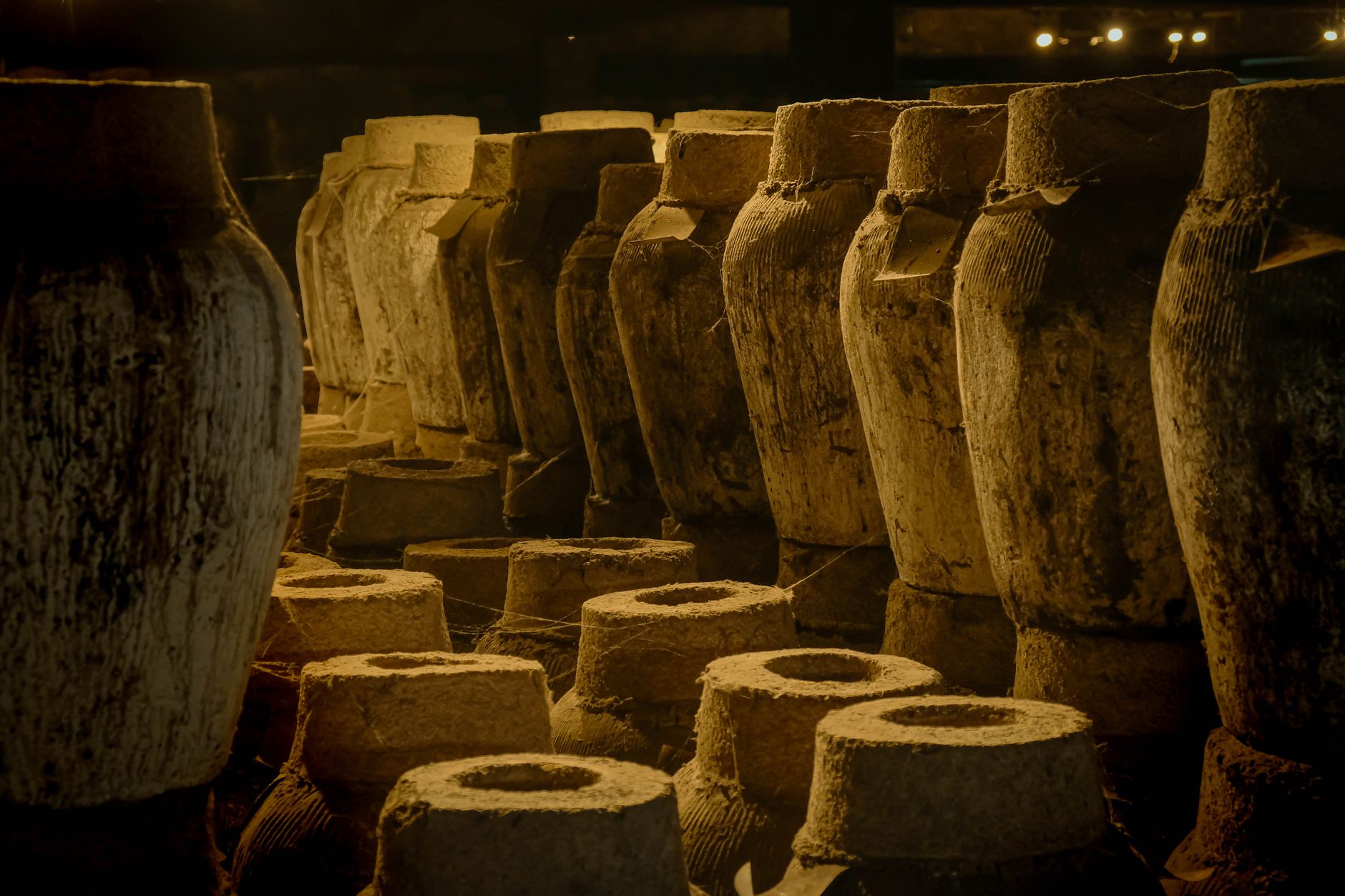
Discover how Achaemenid royal women like Irdabama and Artystone owned land, led workforces, and held real economic power — revealed by ancient clay tablets.
More This Week
Rumi and mystical poetry
The Book That Never Stops Unfolding: How Rumi Engineered the Masnavi as a Spiritual Teaching Machine
Discover how Rumi engineered the Masnavi's six books using nested stories, Persian meter, and Sufi logic to transmit wisdom — not just beauty.
Avicenna and medieval Islamic philosophy
The Man Floating in Darkness: How Avicenna's Radical Thought Experiment Proved the Soul Knows Itself Exists
Discover how Avicenna's 'floating man' thought experiment argued for the soul's self-awareness — and why it still matters in modern philosophy of mind.
Historical performances and festivals
The Empire's Hospitality Network: How Iran's Caravanserais Kept the Silk Road Alive for a Thousand Years
Discover how Iran's vast caravanserai network powered Silk Road trade for centuries — the architecture, logistics, and culture behind history's greatest inn sys…
Radif system and modal structures
The Architecture of Eternal Fire: How Zoroastrian Temples Were Built Around a Flame That Was Never Allowed to Die
Discover how Zoroastrian fire temples were designed around a permanently burning flame, what their form reveals about Persian cosmology, and their lasting archi…
Folk songs and regional styles
Carved Into the Mountain: What Iran's Rock-Cut Royal Tombs Say About How Persian Kings Understood Death and Eternity
Explore how Iran's rock-cut royal tombs at Naqsh-e Rostam reveal the Achaemenid theology of death, divine kingship, and eternal legitimacy carved into living st…
Classical Persian music instruments
Written in Stone: Why Persian Kings Carved Their Power Into Mountains
How Achaemenid and Sasanian kings used monumental rock reliefs carved into cliff faces as political and religious tools to project eternal, divine authority.
Medieval Iranian kingdoms
The City That Was Once Larger Than London: The Rise and Catastrophic Fall of Merv
Merv was once one of the largest cities on Earth — a Silk Road crossroads of empires. Discover how it rose to greatness and was erased almost overnight.
Pre-Islamic Persia overview
The City as Sacred Argument: How Shah Abbas Turned Isfahan Into the Visual Theology of a Dynasty
How Shah Abbas wove pre-Islamic fire symbolism into Isfahan's mosques and squares, making Safavid architecture a physical argument for Shia Islam's legitimacy.
Enjoying the newsletter? Share it with a friend.